
Get Started!

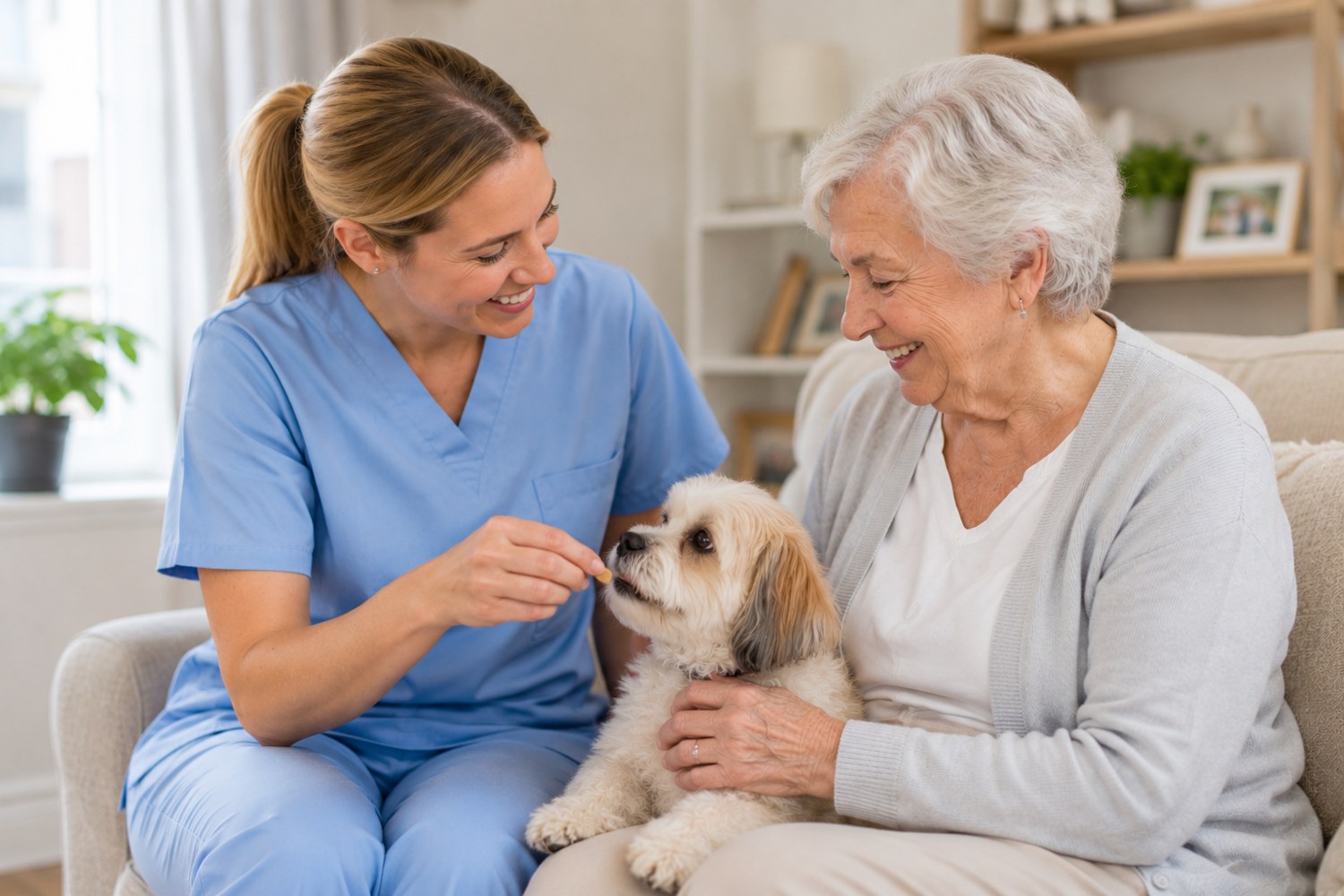
As individuals reach old age, they may need support and walk the line between comfort, fulfillment, and a balanced, healthy lifestyle. Many seniors spend more time at home after retiring, and some may feel the emotional burden of loneliness because of a decrease in social interaction from the loss of a spouse or close friend or family members moving far away. For many seniors, a pet doesn’t just provide companionship it also brings routine, comfort, and something to look forward every day.
In more recent years, families that have recognized the value of the connection between pets and seniors have reported positive changes in the lives of their older loved ones. Whether it is a loyal dog waiting by the door, a calm cat resting nearby, or even a small bird singing in the morning, pets can make daily life more fulfilling for older adults.
Pets for seniors provide many positive benefits outside of companionship. They create a more active lifestyle, more positive mental functions, and less stress, and pets often make it easier for seniors to start conversations and connect with other people. Research and personal experience say that caring for a pet can help seniors stay mentally active, emotionally connected, and physically involved in daily life.
In this guide, we will discuss the emotional, psychological, and physical advantages of pets for seniors, the best pets for seniors, and the safest and most useful strategies for helping seniors adapt to the joy of pet ownership.
Seniors and their beloved pets often share an unbreakable bond that is as deep as it is precious. Touching companionship can help seniors gain valuable emotional support and alleviate feelings of loneliness.
For a great number of seniors, their pets are an integral aspect of their daily routine. More than that, pets can bolster emotional health. Simple activities like pet feeding, dog walking, or enjoying a quiet moment in the company of a cat or pet of choice can instill joy and bring comfort.
Emotional support is an important advantage of pets for seniors. In the course of aging, it is possible to experience emotional challenges, among the most common being loneliness, anxiety, and sadness. Pets go a long way in providing companionship and petting, and aiding in alleviating these feelings.
During your golden years, it is common for older adults to experience feelings of loneliness, and this is especially true for seniors who live alone or who are socially disconnected most of the time. Pets offer companionship throughout the day and help create a sense of connection.
Seniors who live alone can be lonely, but then pets come along and can be a source of companionship and comfort. Pets may be so trusted that many seniors enjoy talking to them, playing with them, and yes, being playfully mischieved by them.
The presence of animals can naturally aid in creating a sense of calm. Simply spending time with a pet can feel calming and help seniors feel more relaxed during the day
Our world is a little less bright without pets to enjoy the simple things in life. Even small moments like hearing a dog bark excitedly or a cat resting nearby can make a home feel warmer and less lonely.
Many seniors find comfort in having responsibilities that give structure to their day. Simple responsibilities like feeding or grooming a pet give many seniors a reason to stay active and maintain a daily routine
The emotional benefits of pets for elderly individuals can greatly improve overall quality of life and mental well-being.
Besides providing emotional support, pets may motivate seniors to stay engaged in physical activities.
In particular, dogs promote a more active lifestyle in seniors, as they require human companionship in the form of numerous outdoor activities. Even a short walk with a dog can help seniors stay mobile and spend more time outdoors
Some of the benefits of regular exercise in seniors are:
Supporting indoor pets can facilitate regular movement through the routine of feeding, cleaning, and engaging in active play.
Taken to a soothing and steadying presence, pets could be key for seniors to reduce their stress. This could help them achieve good sleep and further relaxation. It has been found that pets fulfill the emotional and physical needs of their senior owners and promote a healthier lifestyle.
Walking dogs not only gives endless chances for talking to neighbors but also for meeting and greeting other pet owners. Pets naturally create opportunities for conversation, especially during walks or visits to parks.
Community pet events and local groups can also help seniors meet new people and stay socially active, and also help them get over the feeling of loneliness.
Besides boosting the companionship of different generations of people, pets give a reason and an incentive for the family as a whole to be more interactive. Grandchildren, relatives, and visitors often enjoy spending time, sharing activities, and chatting with pets.
Being with pets in a positive way not only creates a friendly atmosphere at home but also enhances social engagement.
Dogs rank high among favorite pets for elderly people, mainly because they offer companionship, loyalty, and emotional support. Nonetheless, picking the right breed is paramount. Older adults should mainly consider dogs that are calm, easy to handle, affectionate, and lower in energy level.
Before buying a dog, seniors should ask themselves:
1. Dog size
2. Amount of exercise
3. Grooming
4. Nature
5. Barking
6. Health care
7. Home.
A dog that fits the senior’s lifestyle will be more fun and less stressful for both.
One dog breed that seniors really love is the “Cavalier King Charles Spaniels” because they are very loving, gentle, adaptable, and they adore being with people. Therefore, they are regarded as the best dog breed for elderly people.
The main reasons why pugs are excellent dog breeds for seniors are: Pugs are calm, friendly dogs that usually adapt well to quieter homes, but they are not very energetic, which means that they can still be great companions for those people who prefer very little of the physically active activities.
Shih Tzus are small indoor dogs that enjoy staying close to their owners. Besides being a small dog breed, they are very playful, and they like being indoors, which is a lifestyle that most seniors also appreciate.
Similar to Maltese, which is also a small breed, they, too, are very loving and affectionate. Besides that, compared to bigger breeds, they are physically more manageable. At the same time, since they are moderately active, they do require some exercise.
Should you desire a dog that is more than happy to take it easy and needs only minimal interaction and exercise, give the French bulldog some thought. Since they are one of the most laid-back and tolerant of breeds, they allow you and your seniors even more time to relax.
Do you want to get a dog that is of a very happy-go-lucky type? Then you should look into a Bichon Frise. Bichon Frises are soft dogs according to temperament as well as sensitive, and they really thrive on having companionship, which is why they get along so well with elderly people.
These dogs are usually picked because of their flexibility, and they should be the right choice for most seniors.
Although dogs are the top choice for companions, not all seniors are ready for the obligations of dog ownership. Luckily, there are other great pets that seniors and their families like.
Cats are generally more independent and easier to take care of than dogs. They do not need to be taken out for walks and are often a great choice for seniors who are not very mobile.
Like dogs, cats offer companionship to seniors, but they also allow them more freedom in their daily activities.
Birds are great musical companions that can bring the home to life. Many seniors like having pet birds because the physical demands are much less than those of dogs and large cats.
Watching fish swim in a quiet aquarium can feel surprisingly relaxing for many seniors . A fish tank is a great way to have a zen-like spot that can help lower stress levels and anxiety.
Fish are perfect pets for elderly people who want their pet to practically take care of itself.
Rabbits are quiet, loving animals that are comfortable living indoors and can easily be kept as pets by seniors.
Small pets like guinea pigs or hamsters may also be suitable for some seniors. They require relatively simple care and can provide companionship without demanding extensive physical activity.
Choosing the right pets for seniors depends on personal preferences, living arrangements, health conditions, and daily routines.
The supportive benefits of pet ownership can be among the greatest for older people who live alone.
Pets are the emotionally available presence to the individual throughout almost the entire day. The elderly often report feeling safer and more at ease when a companion is near.
Having a pet gives one’s life a certain degree of continuity. Aging makes it difficult to maintain healthy habits, but setting times for feeding, walks, and grooming are just some examples.
For a wide range of reasons, pets can be great companions, helping to alleviate depression, sadness, and anxiety. Companionship and emotional stimulation are just two of the things that many older adults find through their pets.
Interactions such as playing with pets, training pets, or simply spending time with animals keep the brain active.
For people of an advanced age, a pet can be the reason for a more balanced lifestyle and a feeling of greater self-satisfaction.
Even though pets bring so many benefits, they still need to be monitored and kept safe.
Senior citizens, however, must opt for pets that match their physical capabilities and lifestyles.
Choosing the right pet eliminates stress and increases the chances for long-term success.
One shouldn’t have to go through a lot of stuff to get to the pet supplies.
Don’t only keep:
In places where you have to bend or lift to get to them.
Reducing the risk of falls is one of those essential aspects of pet care for older people.
Since pets run fast and unexpectedly, they could slip and fall in the home. When doing such things, seniors must:
The installation helps enhance the comfort levels of both animals and owners.
Carrying out a schedule for the animal to visit the vet is one of the best ways to keep the pet healthy and avoid diseases.
Those who belong to the senior citizens’ family or the caregivers can assist in getting the pet to the vet’s in case the senior is not physically fit to do so.
Relatives, neighbors, or friends are very important for seniors so that they know there will be someone there when they need help.
Support can be:
Having support makes pet ownership easier and is safer, too.
Having pets improves the mental health of senior citizens.
One of the most important benefits of pet ownership to the elderly is mental health.
Having a pet can be very helpful in reducing depression as they provide companionship and offer unconditional love. Interaction with animals reduces loneliness and is often considered as one of the main factors leading to emotional fulfillment in older people.
The coming of retirement, health problems, or the death of loved ones are major changes emotionally. But our question is, why do we feel this way? These changes lead to loss of stability and comfort, but pets offer us both during such times.
Ensuring pets are well taken care of, accompanied by giving them love, helps raise one’s mood, and the experience is mostly good.
Owning a dog or a cat can be very advantageous emotionally for older people and lead to a positive mental health state.
Pets certainly have a lot of merits; however, older people should also be aware of what is entailed in caring for them.
The financial aspect of pet ownership includes:
Financial plans ahead are a must.
In order to have a well-trained and physically fit pet, there has to be some exercise and carrying of pet weights. Therefore, older people should pick pets that fit their body shape only.
Long-term care for animals is something that will require your commitment. Discuss your future care plans with the expecting family if ever you elderly person, might be temporarily incapacitated to manage household tasks.
With these details in mind, seniors can make more informed decisions about pet ownership.
Senior people with pets at home can use these pet care tips to maintain the good health and well-being of the pets in a simple and easy way.
Maintaining a consistent feeding routine, getting regular exercise, and thorough check-ups at the vet are crucial.
If you need help or support, there is nothing wrong with calling family members or professionals who have experience with pets.
Hopefully, this guide will help senior pet owners with the task and enjoyment of having a companion animal.
Companion animals can do much more than just entertain seniors; they can truly help, comfort, and bring happiness to their lives. Pets provide a variety of benefits to seniors, including support for mental health and encouragement to keep moving physically.
It does not matter if it is a faithful dog, a peaceful cat, a bird, or any other type of small companion; pets enable seniors to experience being connected, engaged, and emotionally supported. Indeed, pet-senior relationships may result in comfort, habit, and a heightened sense of purpose.
However, having a pet successfully entails quite a bit of thinking and much more execution.
Senior people should decide on which pets (types of dogs and cats, etc.) can be best friends that will fit perfectly well with their lifestyles, physical capabilities, housing conditions, and thus, the overall facets of their lives. With the right elderly person-to-pet care arrangements, a safer home environment, and support from family/caregivers, the venture might be not only enjoyable but also safe.
With adequate preparation and planning, dogs and cats, as faithful companions, can significantly improve the quality of life of older adults, while also giving them delightful moments of close companionship and joy daily.
Usually, cats, fish, and smaller, gentler dog breeds are agreed upon to be the easiest senior pets as they require less physical activity.
The finest companion for the elderly varies with their way of life, their ability to move around, and their taste. Several seniors select smaller dogs, cats, or pets with minimal needs who give them company.
Generally, pets that are less demanding in terms of activities and maintenance include fish, older cats, and smaller indoor dogs.
Definitely, pets may lessen loneliness, boost emotional well-being, foster a sense of structure, and serve as a constant source of companionship for seniors living on their own.
In choosing a pet, seniors ought to think about their physical capabilities, financial situation, support network, the space they have at home, access to veterinary services, and the responsibilities linked to the pet for a long period.

Each office is independently owned and operated and is an equal opportunity employer.
ComForCare strives to provide services accessible to everyone, please contact your local office for documents and details related to accessible Customer Service.
© 2026 ComForCare Franchise Systems, LLC.