
Get Started!

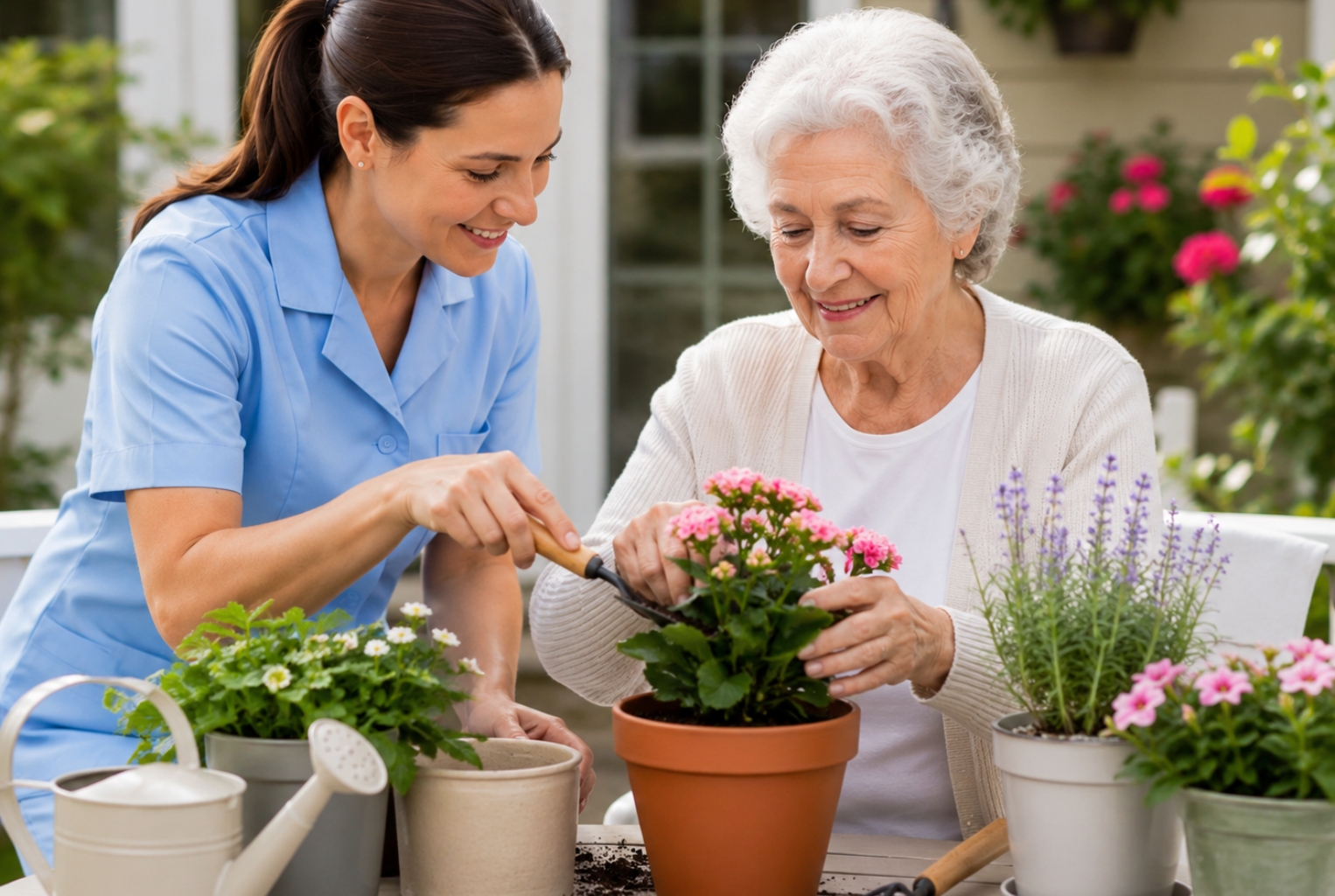
A stroke can alter life in an instant, for the person losing it, but especially for those family members who are suddenly given new responsibilities. While recovery may begin in hospital, the real recovery begins at home once a senior exits the hospital. Everyone’s daily lives might be a bit different, and simple tasks could take a bit longer. There may be a new normal for seniors and their caregivers.
While each recovery journey is different, many seniors can make positive strides with the right support. Patience, encouragement, and consistency are essential to the process of healing. For some seniors, it takes a few months to achieve independence; for others, it takes a much longer time. There’s not a clean, straight path, and no one wants to live through that, so having realistic expectations can help everyone on the path along the way.
Families often ask if they can go through the recovery process on their own or if professional help would make a difference. In-home care for senior citizens can offer the extra care that many homes require to have a safe and comfortable healing environment for older adults in their own homes. Seniors tend to feel the most comfortable in their own homes, and this comfort can be a big factor in their rehabilitation.
No two strokes are alike. The recovery process depends on where the stroke occurred, how quickly treatment was received, and a person’s health before the stroke. Some seniors may experience weakness on one side of their body. Others may find speech, balance, memory, or completing daily tasks challenging.
Recovery is a process, not a one-day thing that families must be aware of. Changes are typically slow and steady, and it may seem like growth is slow at times. It can take one week and then the next week for a senior to walk confidently again and the next week to feel fatigued. These are natural and normal changes and shouldn’t dissuade family members from encouraging.
Families can face these changes with greater confidence with the assistance of professional senior care. Caregivers recognize that healing and recovery are a process of the mind as well as the body, and can help seniors with their daily activities without taking away their independence.
Going home from the hospital is a big event, and it can be stressful. Elderly people are adapting to their new physical needs as family members become accustomed to their physical and safety needs. In the first few weeks, one of the main targets is to establish a comfortable routine.
Things that were previously done easily, like getting dressed, cooking a meal, or walking to another room, may take a long time. Families should not rush seniors. Instead, they should support them as they do as much as they can safely and independently, with assistance where needed.
Many families also find that patience is a key part of their family’s recovery. It is important to celebrate small steps to remind them of their progress and maintain their motivation through the process of recovery, such as walking a short distance or doing part of the meal on their own.
Falls prevention and minimising unnecessary risks are key priorities following a stroke. Formerly independent seniors may require assistance for a brief period of time as they work on regaining strength and coordination.
There are a few simple changes around the house that can improve safety without making it feel unfamiliar. These include removing tripping hazards, improving lighting, installing grab bars, and placing frequently used items within easy reach. These simple measures can make everyday living safer.
Physical recovery is ongoing after rehabilitation appointments are over. Healthcare recommendations for exercises frequently must become a way of life, and repetition is essential for regaining strength, coordination, and confidence.
Not all of the day should be dedicated to therapy! Movement can be integrated instead into everyday situations. Simple activities such as walking short distances, cooking simple meals, engaging in hobbies, or being outside can be helpful in the recovery process and help to keep the senior feeling normal.
During this stage, many families benefit from the encouragement offered through the services of a senior home care provider. Caregivers can help seniors follow a routine and stay as active as possible. They also support them in safely completing everyday activities while encouraging them to keep progressing.
Often the emotional impact of a stroke is not considered. As seniors adjust to changes in their abilities, many feel frustration, anxiety, and/or sadness. Once easy things now need help, and this can impact self-esteem and confidence.
Emotional issues also impact the family members. They are thinking about their loved one’s safety, if they feel they aren’t doing enough, or if they are overwhelmed by new responsibilities for care. It is crucial to acknowledge these feelings during the process of recovery.
Encouragement, recognition, and consistency with past practices can all help to support emotional health. It’s comforting to have compassionate assistance and let seniors know that they are not doing this alone.
Stroke recovery is not limited to physical recovery. It also includes regaining confidence, setting up new routines, and learning to do everyday activities safely. Family members may feel obliged to help in every way they can, but this can be difficult when you have responsibilities at work and home, and the pressure of anxiety.
This is where professional home health care for senior citizens can make a difference. Caregivers offer practical assistance and support seniors to stay independent as much as possible. They do not replace daily activities, but support older adults to be active in daily activities safely and comfortably.
Caregivers can help with personal care, meal preparation, medication reminders, light housekeeping, mobility, and transportation to rehabilitation appointments. These everyday services help reduce stress for seniors and their families. They also allow recovery to take place in a familiar setting.
A primary worry following a stroke is how best to help while enabling independence. When family members are concerned about falls or injury, it’s easy for them to do everything for their loved one. But, promoting the safe participation of seniors in daily life activities can be crucial to the recovery process.
Professional carers are aware of this balance. They support seniors to do tasks within their capacity and offer support if needed. This helps to restore confidence and can help the elderly regain skills in their life in a gradual manner.
From getting dressed to preparing a light meal and even walking around the house, each step in a direction that is good for you is one step to overall recovery. Although these may be insignificant little moments, they allow seniors to rebuild their self-confidence while still having a sense of independence.
One of the most important components of the recovery process after stroke is consistency. A consistent daily routine helps to minimize confusion, promotes good habits and allows for consistent progress.
Even simple things like sleeping on a schedule, eating a well-balanced diet, doing assigned exercises and getting proper rest can help to promote healing. These routines become easier to follow over time and help seniors to feel more confident in their daily routines.
These routines are often set up and maintained by professional senior home care. Caregivers make gentle reminders, help with tasks and promote good health without letting seniors feel overwhelmed.
The whole family is impacted by stroke recovery. Emotional support and physical help have to be given by adult children, spouses, and other loved ones, who also assume new roles. Caregiving can be rewarding, but can also be physically and emotionally challenging over time.
Many families are reluctant to seek assistance as they feel they are responsible for everything. Really, helping to accept is good for everyone concerned. During the day, professional caregivers can help, and the family members can devote their time to enjoying each other rather than worrying about household chores.
Additional support equates to peace of mind for families. Having a familiar face to help with mobility, meals, and personal care helps minimize stress and supports recovery in a safe and secure environment.
Each recovery path will be unique, but there are moments when more help is particularly useful. If the senior is starting to forget his or her medicine, has trouble with personal care, has fallen or had falls more than once, or is having more trouble with activities of daily living, it may be time to look at additional support.
Indications that a child may need extra help include:
Identifying these early enables families to consider options before issues grow into bigger issues. Getting the appropriate support at the correct time can result in a more streamlined recovery period and a better life for all parties involved.
The first and foremost of the things to remember is that recovery after stroke can be a winding path. You’ll find some days to be exciting; others may be slower or a bit more difficult. This is quite natural.
Don’t measure the speed of recovery; measure the level of progress. Each small step is a big step, whether it’s walking without assistance for another few minutes, talking more clearly, or doing something at home without help; every step is a step.
Recovery is not the process of going back to life as it was before stroke. It’s about supporting seniors to adapt, to get back on their feet, and to live their lives fully. It’s important to be patient, encouraging, and supportive with your stroke caregiver during this process.
While much of the focus after a stroke is placed on physical rehabilitation, recovery is about much more than regaining movement. Emotional health, confidence, and feeling connected are all important in assisting seniors to rebuild their lives. For older adults, frustration can be just as important as physical loss as they adapt to the changes in mobility, speech, or memory, and encouragement from family members and caregivers can be as important as physical help.
Recovery is made simpler when it is easier for seniors to continue doing what they like. It can be helpful to find some sense of normalcy while going through a difficult time, whether it’s reading, gardening, listening to music, time spent in nature, or simply enjoying meals with friends and family. These common events can help seniors to remember that life is different after a stroke, but it can still be full and happy.
Families should be aware that emotional recovery is a process that takes time. Others may be demoralized when their progress doesn’t seem to be as swift as they had hoped, or feel they may never be able to recover as much as they could before. Giving positive reinforcement and acknowledging all progress, no matter how small, can help increase confidence and promote further growth.
Each person who has suffered a stroke recovers differently. Some may just need short-term help, while others may need support to help them adjust to everyday life for the long term. Since everyone’s recovery is unique, personalized care can be more effective than a generic treatment.
Professional caregivers can modify their support to fit each senior’s skills, objectives, and comfort. Some days you might be asked to assist with personal care or mobility, and other days may be spent with companionship, meal preparation, and/or transportation to therapy appointments. Care plans may also adjust as recovery takes place and a senior becomes more independent.
One of the reasons that many families opt for senior home care services over relocating their loved one to an unfamiliar environment is the flexibility given. Staying at home provides a comfortable setting for healing and needs to be supported in a way that adapts as the older person’s needs change.
Following a stroke is not only an event that impacts the individual who suffered the stroke, but it has a far-reaching impact on the whole family. Caring for a loved one is a 24/7 job for spouses, adult children, and family members, and they may not be prepared for the demands of both the daily regimen and the caregiving role.
Many families would be willing to participate, but over time, caring for a family member can be physically and emotionally demanding. Families experiencing the early stages of recovery often feel stressed, exhausted, and uncertain, so this is a common occurrence.
Don’t stop taking care of yourself because you are looking for stroke caregiver assistance. Rather, it gives family members opportunities to share in caring for their loved one, and to provide him or her with caring and consistent care. Professional support can also provide families with time to rest, attend to their own needs, and simply enjoy spending time together rather than just caring for one another.
The most important thing families need to keep in mind is there’s no set timeframe for recovery following a stroke. We’ve seen some seniors make great progress in a matter of months, and others for years. It is easy to become frustrated and set unrealistic expectations when comparing one person’s recovery to another.
Instead of thinking about the rate of improvement, it is important to acknowledge incremental progress. Even if it’s a baby step, a senior who takes one step farther than last week, who cooks one meal by themselves, or who starts feeling more confident talking to friends is making progress.
Recovery is achieved by being patient, consistent, and encouraging. Each step is a positive step toward independence and a better quality of life.
It’s a daunting challenge at first to begin the recovery process from a stroke, but a family doesn’t have to go through it alone. Many more seniors continue to make significant progress while living at home with patience, encouragement, and support.
Professional in-home care for seniors offers practical support and ensures dignity, independence and confidence in recovery all the way. From daily living activities to moving around to cooking to companionship, personalized care enables seniors to recover safely and enjoy the lifestyle that matters most to them.
The aim isn’t just to help families investigating home care for their elderly. To foster a culture of support, respect, and empowerment to promote the highest level of independence possible for older adults. While each journey towards recovery is distinct, compassionate care and realistic expectations allow seniors to continue to grow, gain confidence, and hope for the future.
The recovery from stroke is different for each person. For some seniors, regaining strength and independence takes only a few months; for others, it may take longer. Rehabilitation, emotional healing, and daily routines are all a part of the recovery process.
Professional caregivers help with personal care, going to and from the house, cooking meals, reminding seniors to take their medications, providing companionship, and with daily activities, all while encouraging seniors to be as independent as possible during recovery.
Home care might be considered when a senior faces challenges in completing daily activities safely, mobility issues, or supplemental support after leaving the hospital or a rehabilitation program.
Home care can involve personal care needs, assistance with meals, transportation, medication reminders, light housekeeping, companionship, mobility support, and helping to set up healthy daily habits.
Families can support recovery by providing a safe home environment, celebrating progress, supporting a rehabilitation plan, maintaining routine, and utilizing professional stroke caregiver support as needed.
Appropriate medical guidance, rehabilitation, family encouragement, and personalized home care tailored to needs and recovery goals can enable many seniors to safely recover at home.

Each office is independently owned and operated and is an equal opportunity employer.
ComForCare strives to provide services accessible to everyone, please contact your local office for documents and details related to accessible Customer Service.
© 2026 ComForCare Franchise Systems, LLC.