
Get Started!

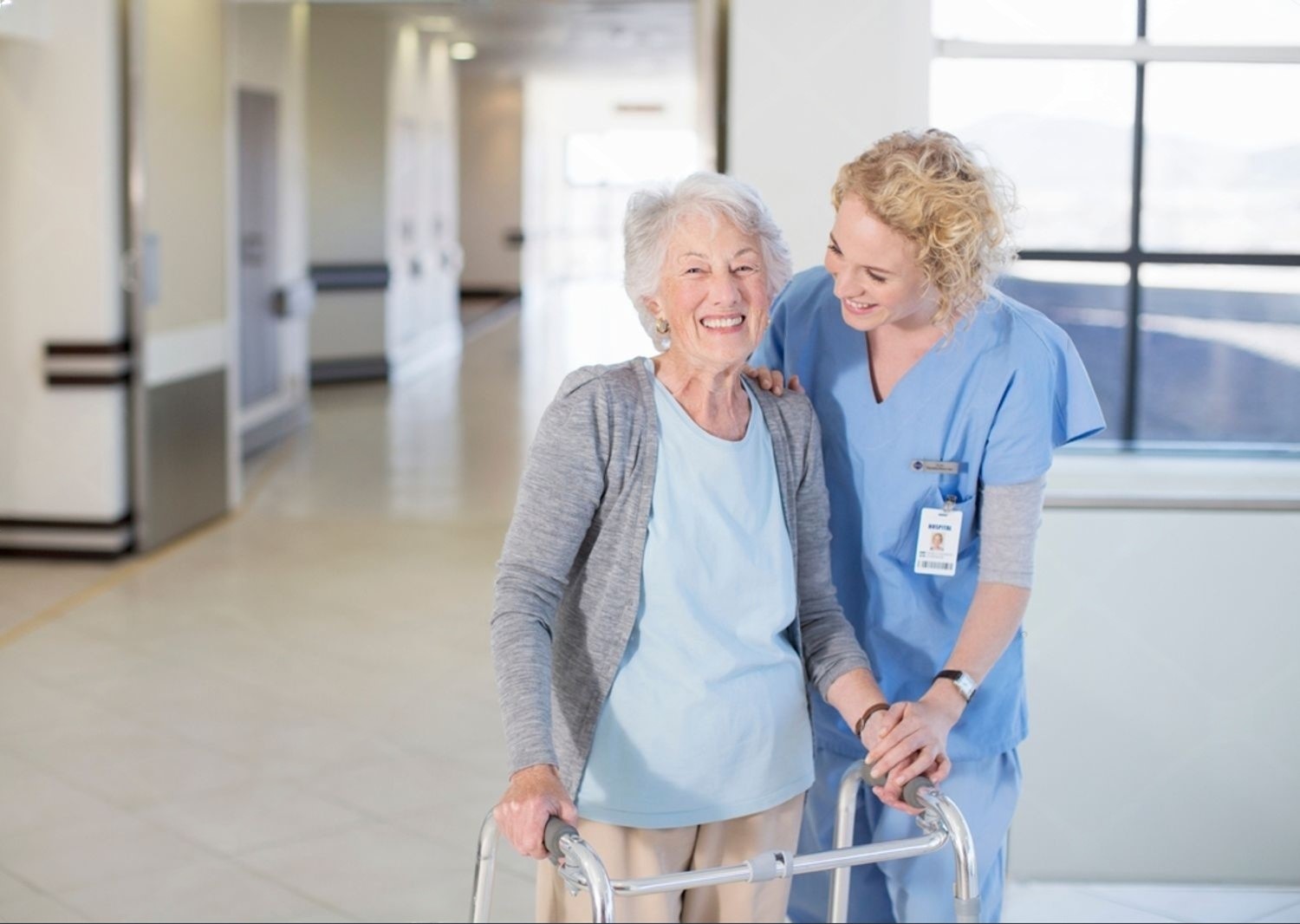
For many senior citizens, their home represents not only a physical dwelling but an accumulation of experiences and cherished memories throughout a lifetime. It is there they feel most comfortable and independent. From the sound of creaking floorboards to the way they decorated their favorite places, all these factors contribute greatly to making living at home a preferred option for many elderly individuals today.
Safety can be an issue for an elderly individual who resides alone. Therefore, simple day-to-day risks associated with living independently become serious when no assistance exists. For example, a slip on the floor could result in hours lying on the floor before receiving assistance. Minor accidents or incidents can become significant problems when no one can help.
Thus, falls among older adults in their own homes is one of the highest rates of injury and also one of the most easily preventable. Planning appropriately will significantly improve the overall safety of an elderly person living alone in their own home.
Instead of bombarding elderly individuals with generic suggestions to help make their homes safer, a general room-by-room assessment of an individual helps reduce risks associated with that space.
Here, this article provides a detailed description of safety aspects in a home for seniors. We will go to each of the main areas and will identify ways to improve home safety. Let’s check it out!
Before developing a room-by-room plan, first develop a strong foundation of safety. These core principles apply to every home and are the basis for providing home safety for seniors.
At the core of home safety for seniors is to eliminate hazards and reduce unnecessary strain. Clear, adequately lit pathways are very important. Clutter, obstructions, and inadequate lighting are some of the most common causes of falls among seniors they experience at home. Walkways between frequently used areas like bathroom, bedroom, and kitchen should be open and accessible.
There are many solutions available, but the most effective way to keep seniors safe who live alone is to have quick access to help when they need it.
One of the most overlooked, yet powerful ways to keep seniors safe in their own homes is through preparing them for emergencies.
Emergency contact information should always be posted in very visible places around the home. It should include family members, neighbours, doctors, and emergency services. Additionally, it is important for seniors to be able to find their medical history, including current conditions, allergies, and medications in an easily accessible place in case of an emergency.
Additionally, seniors should wear wearable devices because they reduce the time it takes for someone to arrive when a senior falls at home. Having a daily phone call, text message, or knock on the door from a neighbour is an additional source of reassurance that they will have someone to help them.
Entryways and halls are 2 of the most used & also very common areas in our homes but most often overlooked. Entryways are a transitional area & act as a very large contributing area to fall prevention elderly at home strategies.
Tripping on loose rugs, curled up mats, shoes left near the door, and uneven floors are by far the biggest tripping hazards that contribute to seniors falling at home.
Poor lighting is another concern that adds to the likelihood of falling at home. Entryways are very often dimly lit which creates an opportunity to miss a step. Also, opening doors without functioning locks greatly impacts overall safety for seniors living alone as well as shaping their ability to access an exit safely in emergency situations.
Consider removing all throw rugs or securing them with a non-slip backing which can significantly reduce the potential for seniors to fall at home.
Install bright, non-glare lighting in entryways and hallways with motion sensor lights which is helpful for seniors to find their way during the night or when it’s dark out.
Handrails are very beneficial in extremely long hallways as they provide the same type of stability and confidence for seniors as having it on stairs. Doors should open easily without a lot of force and locks should be simple to operate.
The living room serves as a central area of daily life where seniors relax by themselves, watch television, communicate by phone, read, or receive company in person. Due to high usage of common areas, minor obstacles can contribute to an increase in fall likelihood by seniors inside the home.
Creating a safe and functional environment for seniors in their living space is an effort to combine safety for seniors while maintaining comfort in their homes.
Major Fall Hazards
A frequently encountered risk factor contributing to falls among senior citizens inside their homes is an overcrowded living room. A coffee table, footstool or other item located in the walking path can stop the person using a cane or walker from successfully negotiating the walking surface.
Another risk factor that contributes to fall incidents among seniors is unsteady furniture or seating arrangements. An example of an unsafe sitting option could be that of a soft couch, which makes it hard for an individual to stand up, or an arm-free chair or wheeled chair. It creates a potential challenge for seniors with their balance when trying to stand.
Electrical risks also can be especially threatening to seniors. Examples of electrical hazards range from loose electrical cords to overloaded outlets that extend to the floor from a wall. However, builders did not originally construct many homes with common safety standards in mind for senior citizens.
The first step for seniors at home is to create clear and open walking paths with furniture arrangement, so seniors can walk throughout the house without any obstacles.
Seniors should use armrest and firm cushion chairs as they provide solid support when sitting down or standing up, thereby reducing strain and improving senior balance.
Secure electrical cords along the wall and behind furniture so that no cords remain on the floor.
Lastly, seniors should have proper lighting, where they sit and walk to eliminate shadows and glare.
The kitchen can present numerous hazards and is one of the most active rooms in any household. In addition, kitchens have many sources of potential falls as a result of the combination of both water, temperature, sharp tools, and frequent movement throughout the space.
Significant Risk Factors
When you look at the kitchen, the first thing that may come to mind is slipping on the floor. Numerous senior falls are caused by a lack of balance when reaching for items located on top shelves. Climbing to an object all increases the likelihood of having little to no balance when attempting to reach for something.
Stove/oven-related accidents, including forgetting to turn off the stove or reaching over a hot stove are dangerous for seniors living alone.
Prepare for Safety
Items used regularly such as plates, pots and pans as well the foods, should be stored between waist height and the height of one’s shoulders. This way they will not require someone to bend or stretch out in order to retrieve them; therefore will help to promote long-term home safety for an elderly person.
Cabinet/Door drawer handles that are easy to hold will make it easier for seniors that have trouble gripping. Appliances with automatic shutoff features are beneficial to elderly persons’ safety when living alone.
When someone does not label the hot/cold water controls, they run the risk of receiving burns from hot water. Additionally, keeping a fire extinguisher close by and having easy access to it can help further your elderly safety checklist.
The most common cause of falls at home occurs in the bathroom. It is critical to ensure that proper safety measures are taken in order to prevent falls in the bathroom.
High Risk Areas
Slippery surfaces can easily be found in most bathrooms, from tile floors to wet tubs. These surfaces can make it difficult for seniors, who may already have limited balance, to walk. Therefore, the combined effect of both the slippery surface and the lack of balance significantly increase the chances of falling at home.
In addition, getting in and out of the tub or shower is an activity that puts seniors at risk of falling as well. The elderly need ample support to complete this movement safely and therefore it is essential that appropriate safety measures are implemented to minimize the risk of falling.
Safety Planning Checklist
Grab bars should be installed next to the toilet and inside the shower or tub area. It should be professionally installed and located where they are most convenient. Use non-slip mats and adhesive strips in the shower area and on the floor. These types of items will help provide a foundation for seniors to prevent falling in the bathroom.
Walk-in showers and tub transfer benches are good options for the elderly to consider when bathing to reduce the amount of effort expended while bathing safely. For many seniors, proper planning will ensure that the need to bathe safely is met.
Many people do not talk about the dangers of the laundry room, storage room, and utility room when addressing home safety for older adults because these areas do not get used every day. Yet this is exactly why there is an increased danger in these rooms because they have factors which make it easy for older adults to fall. There are typically slippery floors, low lighting, and awkward lifting positions which increase our risk of falling while at home.
Laundries and Other Areas of Risk
Wet floors around the washyard, or sink create the highest risk of falling for older adults at home. It takes very small amounts of water to cause a fall for an older person. If you have a leak around your washing area or sink, try to fix it as early as possible.
Lifting things such as laundry baskets, laundry detergent and tools can lead older adults to lose their balance or strain muscles, both of which increase the risk of injury for an older adult that lives by himself.
Safety Planning Checklist
Always keep hallway and utility room floors clear of debris and dry. If you have a leak, fix it right away. Use flat surfaces to store items instead of on top of curved surfaces. This is a simple but effective step to prevent your loved one from falling.
Store cleaning supplies, detergents, and tools at a level that is easy for your loved one to reach. This way there is no need for your loved one to have to reach or bend when using them.
Do not overlook the porch, yard, and garage when putting together a safety plan for a senior citizen living at home. These areas are very common locations for falls to occur due to an uneven surface or limited lighting.
Uneven surfaces are usually the biggest contributor to outdoor falls. Examples include a crack in a sidewalk, loose pavers, and steps that are not of the same height.
Weather conditions can also increase the slippery nature of outdoor surfaces creating hazardous conditions for seniors resulting in a higher likelihood of them falling.
Outdoor areas can also pose a risk for seniors who have a balance issue and can’t see very well and are walking after dark. Even if a senior is familiar with the path, if there is poor lighting on the pathway, the likelihood of a senior walking into something and falling is greatly increased.
Safety Checklist for Outdoor Areas
Repair cracks in sidewalks, along with those in steps and level of uneven surfaces, as soon as possible. An even surface is one of the most significant factors affecting fall prevention ability.
Put handrails and non-slip surfaces on porches, ramps, and steps. These items help seniors maintain their balance when walking and support a more comprehensive stair safety plan for seniors. Install motion activated outdoor lighting near all entry points into the home, along with the garage, and along any paths leading to the home. Increasing the visibility of an environment makes it much safer for a person living alone, especially at night.
Planning for safety is not about expecting someone to fall. It is about being wise and planning for the future. By making careful changes to a person’s home they can help themselves be able to stay at home with a greater sense of security and less worry.
Having a proper approach to elderly home safety enables the older adult to continue to be comfortable, dignified and have control over their life. The best way to approach safety is to start with one room, one target and one step towards improving safety in their life.
Then, if necessary, consult with family members, caregivers or professionals. The best way to provide the most secure environment for an older adult is to give them both independence and the assistance they need to remain independent.
To make a home safer for seniors, have clear pathways, good lighting, grab bars, and reduce clutter around the house to assist with everyday mobility and prevent falls.
Add sturdy handrails to both sides of stairs, put down non-slip treads, improve lighting, and mark the edge of each step to help improve fall prevention at home for seniors.
The key factors that will help with fall prevention in seniors at home are appropriate bed height, bedside lamps, and having nightlights to the bathroom and clutter-free floors.
To help prevent falling out of bed a senior should have a stable bed height, a bedside rail if necessary, have all essentials close by, and improve the lighting in their bedroom at night.
Many medical issues can lead to a senior being dizzy from a change of position and fall, such as normal age-related balance issues, decreased muscle strength, decreased vision, poor lighting at night, or side effects from medication, which can also confuse them. Such changes may also make seniors more vulnerable to falling out of bed.

Each office is independently owned and operated and is an equal opportunity employer.
ComForCare strives to provide services accessible to everyone, please contact your local office for documents and details related to accessible Customer Service.
© 2026 ComForCare Franchise Systems, LLC.