
Get Started!

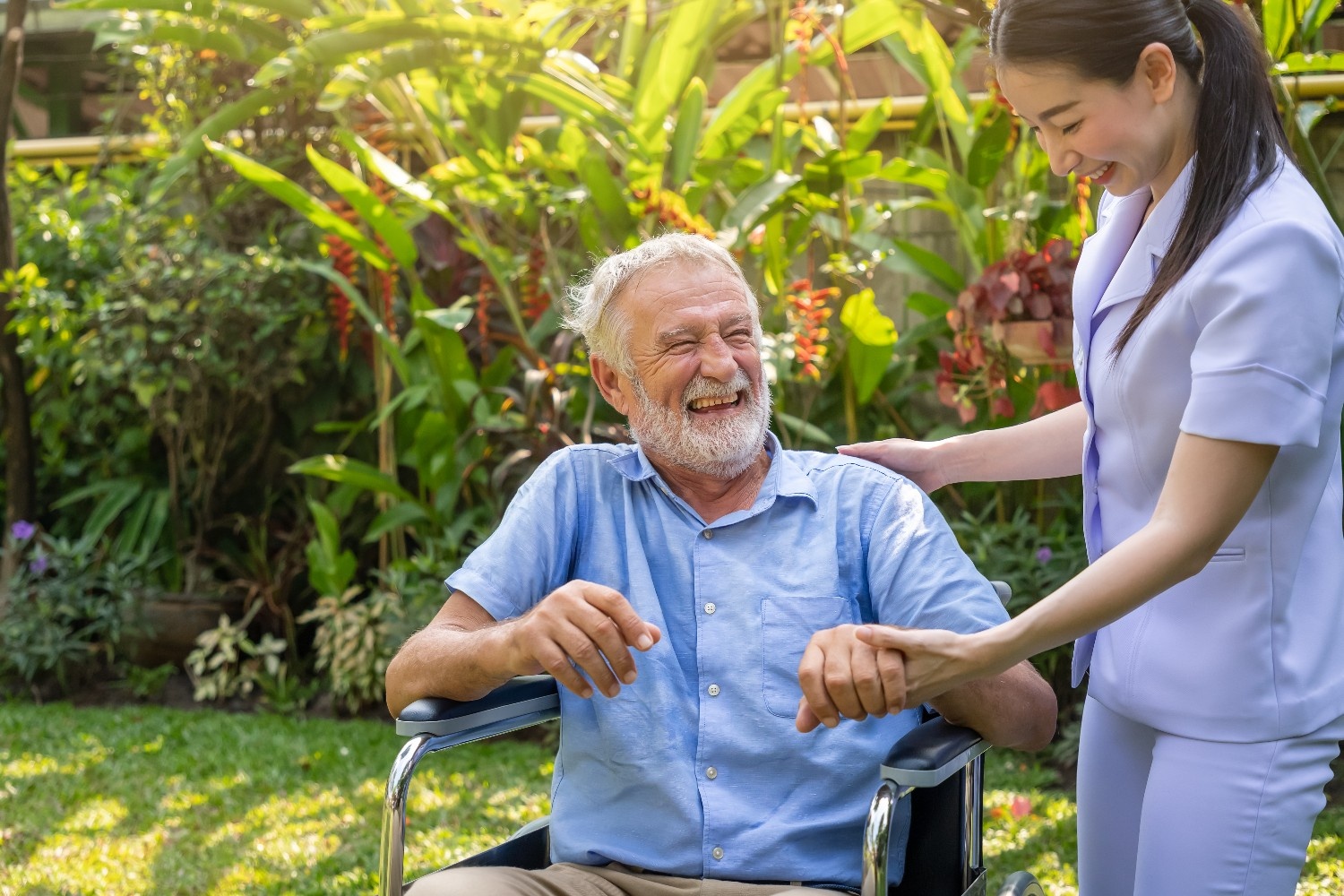
People of all ages can relate to the need for connection. Relationships with friends, partners, and family have great influence on how we perceive ourselves and how we interact with the world. The feeling of belonging, purpose, and emotional security that come from having connections with others highlights our importance to others.
With growing age, it becomes increasingly difficult to maintain connections with other people. For instance, as we enter into retirement, we lose contact with coworkers. When children leave home, we lose connection with younger generations. And, when a spouse dies, we lose one of our primary relationships and often many of our friends as well. All these factors can cause our once-busy social circles to shrink over time.
However, older adults need meaningful connections with others. It is not only essential but helps maintain good mental health for them. During times of emotional stress, strong relationships help them stay supported and encourage them to continue living. Failure to have meaningful connections with other individuals creates an environment where the issues of loneliness, anxiety, and depression are common among older adults. Let’s jump into detail!
Being socially connected to someone is not only about physical proximity. True social connection exists when a person feels valued and receives comfort and affection from family and friends. For example, someone may be in a crowded room yet feel alone if they believe no one cares. Showing genuine interest can help individuals build connections and feel that they matter.
An elderly person is socially isolated when they lack meaningful connections with others. For example, they may live alone, rarely leave their home, and not take part in regular social activities. Loneliness in older adults can also mean feeling disconnected or alone, even when surrounded by family or friends.
This is the common reason why an elderly person could be living in the same house as their family members or be in an assisted living community, but still feel lonely. A lonely elderly person may be living amongst other people, but they do not receive any emotional connection, intimacy, or purpose through conversations or interactions they have with their caregivers.
Connection is so crucial and yet, many seniors face challenges that prevent them from achieving connections with others. Beyond life changes, such as retirement, health challenges, and societal factors equally contribute to limiting the opportunities and resources for seniors to participate in social interactions.
The transition into retirement provides a huge shift for some seniors, who often look forward to relaxation once they retire. However, once retired, it often means a loss of their daily routine, social network of co-workers, and sense of identity.
The informal daily conversations, goals shared between co-workers, and having a place in the workplace goes away rapidly as well, which increases the chances of seniors experiencing isolation. Thus, it can lead to withdrawal from social engagements and lead to an increased experience of loneliness.
Physical and cognitive changes can create additional barriers that may not be readily visible to others. Seniors who may have a loss of mobility or are experiencing a chronic health condition often have a more difficult time attending social gatherings and community events.
The experience of loss of hearing or vision also creates obstacles that can make conversations with friends or other family members feel frustrating. Therefore, with the loss of one or more of these senses, some seniors may not be comfortable asking the person they are talking with to repeat themselves.
Cognitive changes, including memory loss can contribute to feelings of loneliness and disconnection. Others face challenges following conversations due to difficulties processing the information. As some seniors experience these challenges, they may also feel isolated because they are not able to connect with others.
Digital divide refers to the difference between those who have access to and are comfortable using technology, particularly internet-based communications, and those who do not. The lack of familiarity or experience that many seniors have with the latest technological advances such as smartphones, social networking sites, and video calling limits their ability to communicate with family, friends, and online communities.
In addition, the inability to use technology to stay connected with people can lead to increased levels of loneliness in the elderly population, especially as technology becomes more widely used as an alternative to in-person contact.
Seniors who have been disconnected from social structures suffer from prolonged feelings of loneliness and a deep sense of loss for the people they are close to. The negative mental impact of this chronic loneliness can be serious. Many seniors report that they feel forgotten or unimportant due to the lack of social interaction in their daily lives.
Seniors who experience social isolation may be at greater risk of depression or anxiety. As a result, they receive little emotional support from others, and they don’t have others to talk to on a daily basis. The social isolation may also create an environment where seniors develop negative thinking patterns, which lead to feelings of hopelessness and despair.
When seniors are isolated from their social networks, they will experience a decrease in mental sharpness. The cumulative effect of not engaging in social activities over time results in confusion, forgetfulness, and loss of focus.
Humans require emotional support to navigate through life, whether they are young or old. Emotional connections provide validation and assurance that they are not alone.
Seniors can be reminded, through a simple phone call, a shared laugh or an emotional connection with another individual, that their feelings still matter. Providing emotional support in this manner reduces self-doubt and enhances a sense of emotional stability. When another person checks in with seniors regularly, they feel valued, respected and seen.
Shared experiences create a deeper level of connection. Sharing stories or experiences with others brings the person back to an event, a lesson, and re-affirms the person’s identity. These experiences provide opportunities for reciprocity, create an opportunity for bonding and maintain continuity in one’s life. A senior will find an incredible level of healing when they are able to truly be heard and understood by another person.
In addition to improving emotional wellness, being socially connected can have a direct effect on physical health. Seniors who maintain social connections are more likely to live longer and healthier than seniors who do not maintain social connections.
Regular contact reduces stress while also reducing Cortisol levels, the hormone that has been linked to the experience of chronic stress. Lower levels of stress lead to improved sleep, enhanced mood, and reduced levels of inflammation for seniors.
Seniors who are socially engaged generally exhibit better cardiovascular health. They typically exhibit reduced blood pressure as well as a lower risk of developing heart disease.
Research has demonstrated that socially active seniors also have a stronger immune function which improves the ability of seniors’ bodies to resist illness. This is particularly important because the body’s ability to resist illness declines with age. Hence, the seniors with strong social connections will live longer and healthier.
Community participation has changed lives for many seniors. With the community comes more than just activities. It also includes connection, identity, and a place to call home. For many seniors who are feeling lonely, these types of shared environments become a lifeline.
Communities such as churches, social clubs, and volunteer programs help seniors stay connected. Weekly exercise classes, book clubs, religious gatherings, and local volunteering activities create simple opportunities for social interaction.
Many seniors will experience reduced social isolation when they participate in these types of community activities. It often brings back routine and structure into the lives of seniors. Regular activities provide stability to stay connected to their community.
While community is important, families and caregivers are typically the first source of support for lonely older adults. They will have a much deeper understanding of the need to address the feelings of loneliness and can significantly reduce the loneliness of an elderly individual.
The most beneficial thing family members and caregivers can do is to provide quality interaction rather than quantity of interaction. Moreover, a quality visit where an elderly person feels truly heard can produce more significant results.
Seniors desire autonomy and control over their own lives. By providing seniors with opportunities to make decisions regarding things such as daily schedules, activities, and preferences, caregivers encourage respect and autonomy, which improves dignity and provides seniors with healthier emotional support.
Here are a few ways to increase connections with elderly individuals and other people!
Let older adults in your life know about new opportunities to stay active and learn new skills. Gardening, playing musical instruments, painting, and taking classes are great ways to keep an older adult’s mind active. It provides potential opportunities for them to interact socially with others.
Volunteering and serving as a mentor to a younger person allows older adults to use their knowledge and experience. Feeling useful and contributing to society helps older adults feel like they are part of something larger, which in turn may help combat feelings of loneliness and provides emotional support for an older adult.
Support and encourage seniors to be part of a club or participate in other group outings. The support and friendship of peers provide many elderly people with the comfort of knowing that they are not alone and helps reduce social isolation.
It’s important to schedule regular phone calls, visits, or video chats with older adults. These scheduled times for contact provide older adults with a sense of security and help alleviate feelings of loneliness.
Help older adults understand that feeling lonely or needing companionship is a typical human experience, not a sign of weakness. A helpful way to promote emotional wellness among older adults is to start an open conversation with older adults about their feelings, as this can provide the basis for helping to protect older adults from potential mental health issues.
The most common question that arises, how do connections shape our feelings, thoughts, and lives at various stages of life? When someone reaches old age, the importance of connection is magnified. Many senior citizens experience loneliness due to changes in their health, family dynamics, and daily routines as they grow older.
Loneliness among older adults is not only being physically alone but also feeling unnoticed and unimportant. As time goes on, an older person who experiences long-term loneliness may suffer from depression, anxiety, cognitive decline, and a loss of purpose. Fortunately, there are ways to prevent loneliness from happening in the first place.
Creating meaningful relationships with seniors, providing support from family members, creating engaged communities, and taking deliberate actions to create opportunities for seniors to interact socially helps combat loneliness.
Creating small and continual connections, such as talking regularly with a loved one, sharing an activity with a loved one, obtaining emotional support from a caregiver, or providing inclusive community spaces for seniors to gather, can have a tremendous impact.
When families, caregivers, and community members participate in creating positive environments for seniors, there is no doubt that their social lives will be enhanced and their dignity and happiness restored.
The first step to helping seniors experiencing loneliness is to recognize that establishing connection with others is not an option, it’s essential. In this case, seniors need to be included in social activities and treated with compassion.
Supporting seniors’ mental health means regularly exposing seniors to social situations that foster community, having consistent days for seniors to socialize together, providing a welcoming and comforting environment for seniors to feel like part of the community. Additionally, working with healthcare professionals to provide support and services to help seniors avoid feelings of loneliness and social isolation.
The emotional needs of seniors are connection with others, respect, purpose, and emotional safety.
Depression is the primary concern among older adults, which can be caused by isolation due to loneliness, loss of a loved one, or decreased social interaction.
Some indicators of mental distress in senior citizens include withdrawal, constant sadness, trouble sleeping, confused thinking, disinterest in all activities, and increased social isolation due to age.

Each office is independently owned and operated and is an equal opportunity employer.
ComForCare strives to provide services accessible to everyone, please contact your local office for documents and details related to accessible Customer Service.
© 2026 ComForCare Franchise Systems, LLC.