
Get Started!

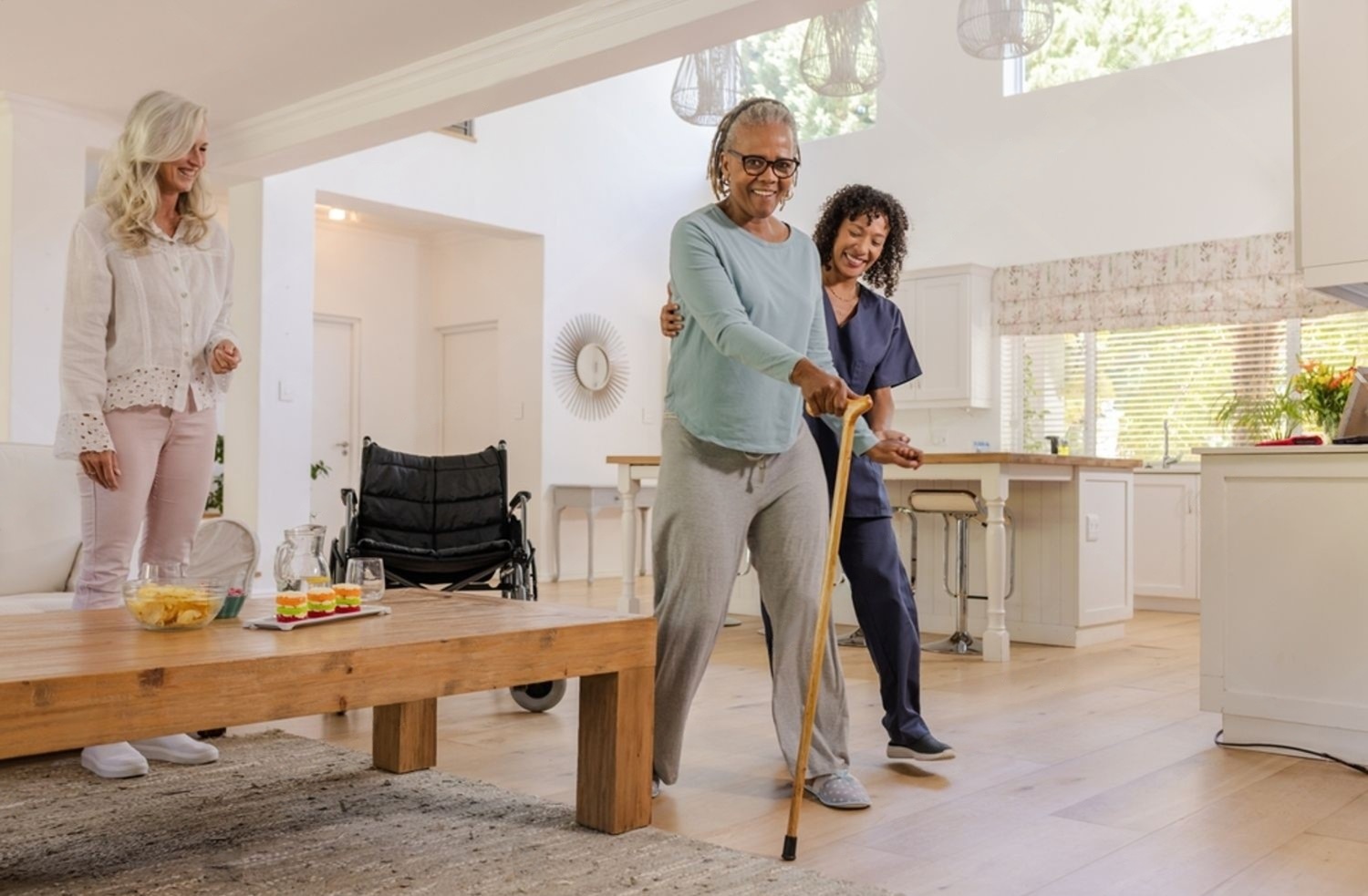
The risk of elderly individuals losing their independence through falls also makes it essential for all to understand the importance of preventing injuries experienced in our homes. The most common place where seniors experience their falls is at home which requires caregivers to provide homecare support to others. Caregivers play a critical role in fall prevention for seniors by identifying risks early and creating a safer home environment.
More importantly, with fall prevention being a vital part of maintaining independence among our elderly and helping them through such incidents, there is an added burden placed on the family members.
Sometimes, a fall may seem simple, yet the severity of the injury could be severe. It could range anywhere from not being able to walk, or needing surgery to repair their injury. In addition to the physical injuries sustained through falls, such as broken hips or skulls, they can also lead to psychological and emotional injuries resulting from loss of confidence.
Many seniors report that they fear falling again after having experienced one and subsequently, limit their activity. Therefore, they rely more heavily on other people to perform everyday tasks. Additionally, due to the significant number of falls experienced by older adults, falls are one of the leading causes of hospitalization and require post-hospital care. Let’s jump into detail!
The first step to preventing falls in the elderly is knowing why they happen. Falls do not usually happen for one reason, but many reasons. It can be either physical, medical, and environmental risks together. Let’s explore them!
Age-related changes to your body create an increased risk for falls. The most common reasons that old people fall are due to weakness in their muscles, balance issues, and poor conditions in the home or outside. As a person’s legs become weaker, they may have a slower response time. They may also not be able to catch themselves if they slip or make a sudden movement.
Basically, it can be due to chronic conditions such as:
These conditions will all increase the likelihood of falls. Vision, hearing, depth perception, and awareness of the surrounding area are often overlooked but are very important. Poor depth perception and poor eyesight can cause someone to trip or fall. Adding in dizziness, low blood pressure, or dehydration will further increase the chances of falling.
Medications are involved in countless fall incidents and are a primary cause of falls. They are also one of the least identified and considered fall risk factors.
Many of the medicines that older adults take as prescribed have significant side effects. It includes sedation, dizziness, and decreased reaction times. The risks for adverse drug reactions increase significantly when seniors are taking multiple medications as a result of being prescribed multiple medicines.
Timing and dosing issues can negatively impact a senior’s balance and alertness. For example, taking sleep medications too close to the time of night. Thus, seniors need to get out of bed to go to the bathroom greatly increase their chances of falling while they attempt to navigate back to bed.
Medication management provided by caregivers is critical for the prevention of falls among seniors through:
Hence, the management of fall risks related to medications is an integral part of the successful prevention of falls among seniors.
Most falls result from environmental hazards occurring within our homes. Therefore, it is extremely important for seniors to plan for fall prevention within their homes. Some examples of normal risks for falls are!
Hence, it requires additional attention to avoid falls. For example, kitchen safety may include easy access to frequently used items and quick cleanup of spills.
The first step in preventing falls is awareness. A careful and thorough assessment for fall risks will provide caregivers with the knowledge they need to predict potential problems before an emergency occurs.
A simple observation can provide valuable information regarding the safety of a senior’s home environment or any risks associated with their use of that environment.
Caregivers can identify subtle movement patterns when visually monitoring elders’ walking and standing positions. In addition to being indicators of balance and strength limitations, these small movements will provide caregivers with useful evidence when trying to determine whether or not a senior has fallen or has recently had a fall.
Caregivers can modify their care given to the senior on a daily basis based on their observation of an elder’s near falls, slips or previous falls. Doing so will ultimately increase the likelihood that an elderly individual will not fall prior to experiencing an injury.
Preventing falls in seniors requires the entire team to collaborate. When caregivers encourage seniors to get assessed for balance and mobility, it may reveal issues related to mobility and balance that wouldn’t be evident at home.
When caregivers discuss their observations with physicians, nurses, and physical therapists, they share their knowledge and provide important insights for the development of their treatment plan.
By examining a senior’s fall history, current medications, and any pre-existing health concerns, providers develop a comprehensive and well rounded plan.
Collaboration among health care professionals builds a stronger foundation for preventing falls for seniors and promotes the promotion of safe aging in place.
The top way to stop elderly adults from falling down is to improve the safety of their homes. Most falls happen inside the home, and fall prevention at home should be the first priority for families and caregivers.
Making the home safer does not require major modifications. Some well-thought out changes can make a huge impact in preventing falls for elderly adults within the home.
Clutter can be a major hazard and can be a significant cause of falls as well. By keeping walkways and living areas free from obstructions and clutter, caregivers can greatly reduce the risk factors for falls for elderly adults. This includes not having extra furniture, stacks of papers, or decorative objects in the way of seniors when they are trying to walk. When walkways are clear, seniors can move around freely and quickly without worrying about finding a way around barriers.
Additionally, loose rugs and exposed electrical cords are more common reasons elderly adults fall in their own homes. Caregivers should also make certain that all frequently used items like dishes, clothing, medications, and personal hygiene products are easy for seniors to access.
Lighting can be an often-neglected cause of falls in the home. Aging affects one’s vision, so seniors need a brighter and more evenly-distributed source of light. Nightlights can help prevent disorientation from nighttime trips to the bathroom, hallway, or bedroom, all of which can contribute to a fall hazard in the home for seniors.
Increasing illumination around stairs and ramps allow for easier visualization of elevation changes and therefore reduce the chances of missed steps.
Safety equipment can be helpful in providing additional stability and security for an individual, especially for a senior who has mobility issues.
Grab bars are one of the most effective means of preventing falls for seniors in particular when installed near the toilet and inside the tub or shower. They provide support at the time of sitting down to use the toilet and getting up from it.
Non-slip mats are also critical to prevent seniors from slipping by providing additional traction on wet surfaces. Adding handrails to stairways assists seniors in being able to safely navigate stairs without the fear of falling. Thus, this allows seniors to be more independent while taking extra precautions to prevent falls.
Regular physical activity is the best way to minimize fall risk. Moving about safely is essential in maintaining a healthy lifestyle and is a safeguard against falling in later life.
Physical activity on a regular basis develops muscle toning and strength. It improves coordination and balance of seniors, hence reducing the risks of falling.
Gentle strength-building and balance exercises are recommended for the caregiver to assist with facilitating the individual’s ability to stay active. Simple, but gradual exercises such as standing leg raises, walking heel-to-toe and chair exercises combine to yield significant results over time.
On top of that, walking helps build up your endurance and confidence. Chair exercises are excellent for seniors who have difficulty getting up off the ground or standing for more than just a short while.
Programs such as supervised physical therapy can be very effective in preventing falls with older individuals because they concentrate on using slow, controlled movements and emphasizing awareness of posture. Hence, such programmes help build strength while decreasing fear of moving.
Correct use of mobility aids is important to effective use of equipment such as walkers, and canes. Caregivers should make sure that the senior’s height and strength have been taken into consideration when fitting the stationary or movable mobility aids. If an individual’s mobility aid is not appropriately sized, the individual may actually increase their risk factors for falls.
It is also necessary to teach the senior how to use their mobility aid safely when sitting, turning, or going up and down stairs. The senior must be confident while using their mobility aids. Regular checks of mobility aids for wear and tear must be done to ensure that they are safe to use.
If seniors are fearful of falling, that fear alone can keep them from getting back to doing those things they did before. It is very important that caregivers assist in keeping seniors aware, and yet calm so that as seniors become more aware, their anxiety decreases and remains an integral part of the long-term fall prevention process.
When educating seniors, it is important that the educator maintains a calm, and respectful environment when discussing potential dangers associated with falls.
Caregivers can provide a description of the many different fall risks that exist for older adults without using such a negative tone or phrase that could create feelings of fear or restrict their participation in fall prevention efforts. Other potential fall risks for older adults that can be discussed openly include changes in balance as people age, the effect of medications that seniors may be using and dangers that exist within their homes.
It is also critical to teach seniors safe movement techniques. Simple changes in movement patterns, such as:
When seniors use these techniques, they improve their mindfulness of movement and increase their confidence in being able to move safely.
While confidence is great to have, it is even more important to have confidence with safety. Caregivers can promote independent living by allowing seniors to complete their daily tasks at their own pace while the caregiver is close enough for support.
One of the most important things is to make sure the senior does not feel rushed. A great number of falls are caused by seniors who feel pressured to hurry to complete a task such as answering the phone, getting to the restroom in time or keeping up with others.
By encouraging the seniors to take breaks frequently and offering them assistance with tasks that are taking too long, prevent falls and support seniors by reducing uncommon stress.
After experiencing a fall already, emotional support is just as critical as physical support in helping the senior to have faith again in their body and increase their confidence level, and in doing so create additional safety measures to prevent falls in seniors at home.
No matter how great the measures taken to stop falls, caregivers need to be ready to act quickly when something unexpected occurs and planning ahead will help produce better fall response time and outcome.
A well-defined fall response plan gives both seniors and their caregivers peace of mind.
This fall response plan should outline what steps need to be taken in the event of a fall, and assist in effectively managing falls among senior citizens.
Easy access to communication tools is critical. Seniors should know how to quickly contact someone for assistance. Medical alert devices or wearable emergency buttons are extremely helpful for seniors who live alone and are at a higher risk of falling.
Smart home monitoring systems like motion sensors, automated alerts, etc. can provide an additional layer of fall protection for seniors. It allows caregivers to react quickly to any unusual activity occurring in the senior’s home.
Caregivers should constantly adapt the care provided as seniors’ mobility, strength, and health conditions change. An older adult who previously walked now requires assistance may not be safe when falling.
Preventing falls is not something you can perform one time. Continuous monitoring is necessary to provide effective services as a caregiver.
Falls are seldom a natural process to the aging process. Most falls can be avoided with knowledge and planned actions, and with sensitive assistance provided by caregivers.
Caregivers can help keep older adults from falling by removing risks, treating medical conditions that may lead to falls, providing increased assurance to older adults, and having planned procedures for emergencies.
Through education, supportive environments and continual monitoring of older adults, family members and caregivers have many ways to limit the occurrence of seniors falling while at home, resulting in older people being safe, secure and living with dignity.
The elderly are the demographic group that suffers the highest incidence of falls, resulting in casualties, hospitalizations, and a diminished quality of life. Fall prevention for the elderly will result in fewer injuries, lower overall healthcare costs, and increased levels of stress, enabling older persons to age in place safely.
Muscle weakness, balance problems, chronic health conditions, medication side effects, poor eyesight, and environmental hazards are common risk factors for falls among older adults.
Caregivers may assist in preventing falls in an older adult from home by reducing environmental hazards, enhancing lighting, providing and installing safety equipment, monitoring medications, promoting safe activities, and providing education on how to move safely.
Mobility devices when utilized properly, provide tremendous value to seniors in providing fall prevention and improving overall stability and confidence.
An effective fall response plan consists of emergency contact information, instructions on how to assess for injuries, access to an emergency phone or alert system, and guidelines for determining when to seek medical assistance. However, all are vital to preventing falling incidents and helping elderly adults after they fall.

Each office is independently owned and operated and is an equal opportunity employer.
ComForCare strives to provide services accessible to everyone, please contact your local office for documents and details related to accessible Customer Service.
© 2026 ComForCare Franchise Systems, LLC.