
Get Started!

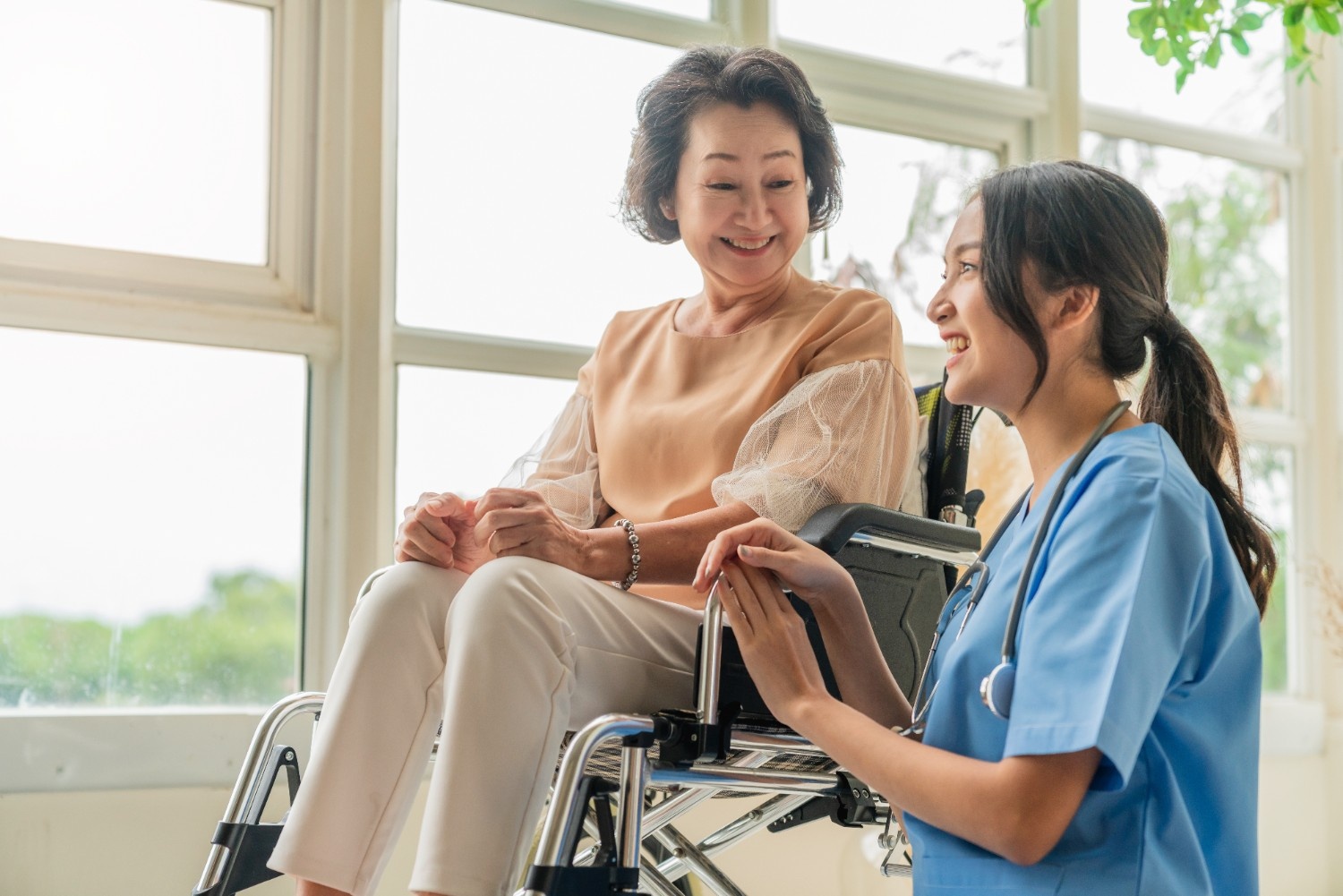
The beginning may be challenging. But, as time goes by you may find yourself taking care of your aging parents because they have started to forget their medications, stop eating, or have trouble moving around. This chore turns from something which you feel you can manage, to something that you feel you simply cannot manage anymore.
Many times families will feel that they are stretched too thin and do not know what step to take next. There are many families that have been in this position today. With an increase in lifespan and an increase in the number of chronic illnesses. Such conditions are increasing the need for caring and organized caregiving at home.
In addition to the desire to maintain their independence, family members want to be assured that their loved ones are safe and well cared for. Hence, the addition of a professional caregiver is one way that can positively influence many people. Let’s have a glance at it in detail!
A professional caregiver is an individual that has completed an approved training program, and received a certificate of completion. They are properly trained in caregiving and providing assistance to individuals at home or in a long-term care home.
Additionally, a professional caregiver will have more experience and qualifications than an informal caregiver or family member. They will possess clinical knowledge, and offer formal assistance to an aged person with their daily tasks.
With the assistance of an experienced caregiver, seniors and their families can greatly improve their safety, quality of life, emotional support, and peace of mind. The right support system can greatly improve the overall experience of aging for both the elderly individual and their family members.
Families often ask themselves this question when considering employing a caregiver. The answer is simple. A professional caregiver provides assistance with activities of daily living, monitors health, and provides social interaction to allow seniors to remain in their homes with comfort and safety.
In general, caregivers assist with two types of tasks, ADLs (activities of daily living) and IADLs (instrumental activities of daily living).
The most important tasks for seniors to maintain their dignity and health are daily activities that must be performed. These activities include:
Older adults may require assistance with IADL’s, such as managing daily activities that will support their ability to live independently.
Numerous family members wish to care for their elderly loved ones at home. To provide a safe, reputable caregiver, an understanding of the physical and emotional issues of the older adult, familiarity with health care services, training and certification are essential.
When comparing informal care and qualified caregivers, the primary difference is that qualified caregivers have had professional training and certification. This allows them to give a higher level of service than anyone providing care without formal training.
When someone is involved in an accident, training is valuable because responders must be able to quickly and accurately assess how serious the accident is and begin providing first aid until emergency responders arrive. Additionally, a trained caregiver is able to provide supportive care until emergency responders arrive which may help to prevent complications.
As we get older, we face health problems that are often complicated, such as arthritis, heart failure, recovering from stroke, Alzheimer’s disease, and Parkinson’s Disease.
A caregiver will have experience working with seniors to understand how difficult it is to adapt to mobility problems, changes in mental ability, or emotion, and to support the senior by being able to:
The best home care agencies will provide their caregivers with continuous training to make sure that they are up to date with the latest medical practices.
When people do not lift or transfer correctly, it can create significant injuries to the seniors and to families who are trying to assist them.
A caregiver with quality skills will have the tools to prevent injuries and reduce fall risks while preserving their comfort and dignity, when skilled home care providers for seniors use these techniques will make mobility safer, smoother, and more secure.
Safety is not only reactive to accidents, but it is proactive in preventing them.
Falls are one of the leading causes of injuries in seniors. By minimizing fall risks with a qualified caregiver, the risk of falling will reduce greatly. Your caregiver can help prevent falls by:
Having consistent supervision by an experienced qualified caregiver, we see the reduction of possible fall-related serious injuries.
The risk of serious injury due to medication errors is also very common. Medication errors often lead to hospitalizations. A caregiver can provide structure and assist with medication reminders in addition to observing for and reporting side effects. A caregiver can also communicate with your health provider regarding any unusual side effects that may arise.
Commonly occurring changes occur prior to larger concerns. Loss of appetite, increased confusion, swelling, extra fatigue and mood swings may be the first indicators of underlying health issues.
Early detection allows families and physicians to take action before what is initially perceived to be a minor concern becomes an emergency situation. The level of attentiveness provided by a caregiver sets caregiver services apart from casual assistance.
Professional caregivers operate by established guidelines to ensure ethical and safe delivery of quality care.
The best home care providers comply with both state and federal healthcare regulations. They ensure:
Choosing a qualified home care provider will ensure your loved one is receiving care according to both medical and legal standards.
Respect, privacy and dignity are the main concepts in Professional Caregiving. A qualified caregiver will know how to communicate:
Proper documentation allows for monitoring of patient health trends and the ability to maintain continuity in care. A professional caregiver will document:
This level of organization provides an avenue for the level of communication between families, physicians and caregivers. Families can trust in being informed and supplied with transparent care for their loved ones when the documentation is organized.
Though too many think the purpose of a caregiver for a senior is simply to provide safety. While safety is vital, true caregiving is more than just protecting someone. It is ultimately helping them to not only live longer but to live better.
No two seniors share the same characteristics. An individual’s unique preferences, routines, health issues, and personality traits must all be taken into account.
Key Personal Preferences in Establishing a Senior’s Daily Routines
A professional caregiver will build the senior’s daily routine around:
Thus, the trusted caregiver organizations will focus on providing a personalized routine carefree of rigid schedules. In almost all cases, caregivers will work within the guidelines of a senior’s everyday lifestyle.
Many people think physical health is the only thing that contributes to the overall quality of life. The impact emotional well-being has on the overall quality of life is equally as important.
Loneliness can adversely impact a person’s mental or physical well-being, but with the help of an experienced caregiver it can promote long-term cognitive health benefits!
Encouraging an active lifestyle is the best way to keep mentally engaged and promote healthy brain function. An experienced caregiver will encourage and motivate individuals to participate in hobbies and activities to keep their mind stimulated such as:
Mental engagement is essential for seniors at risk for cognitive decline, so skilled in-home caregivers use memory exercises, conversation starters, and structured activities to help stimulate seniors’ thinking and memory.
For most seniors, there is comfort, familiarity, and security that they associate with the home.
Aging in place allows seniors to continue living in a place filled with memories and routine, making it a safe and sustainable choice with assistance from an experienced caregiver.
Many families learn through experience that when the right caregiver is matched to a senior, the caregivers can help transform a senior’s house into a fully-supported, comfortable environment.
Caring for an elderly relative is often a loving gesture. However, the responsibility of doing so can also become emotionally and physically exhausting. Many family caregivers have entered into their roles without training, preparation or support, and as time goes by, the burden of caregiver responsibilities compounds, negatively affecting relationships, mental health and careers as well.
One of the most impactful benefits to hiring a caregiver is the relief that extends to all family members, beyond just your loved one.
The role of an experienced caregiver goes beyond simply providing assistance with daily living activities. An experienced caregiver provides professional oversight by monitoring, documenting and effectively voicing changes in a person’s health or behaviour, which establishes a level of trust.
Families who have partnered with a quality home care agency will typically have a structured care plan for the family member and access to trained staff and ongoing communication. With this established professional oversight, families will have the confidence to know that an experienced person is coordinating everyday activities on a day-to-day basis without having to guess what such person may have previously done.
The establishment of trust through professional oversight will therefore reduce emotional strain for families and strengthen family bonds.
The majority of adult children have the impossible task of juggling full-time paid employment, being a parent, and also being a caregiver. Over time, adult children will find themselves exhausted and resentful from the burden of juggling their various responsibilities.
Without the backup of an in-home caregiver, caregiving responsibilities often interfere with professional obligations that can create the risk of missed meetings, and decreased productivity.
By hiring an in-home caregiver to assist in the daily care of their senior family member, families can once again focus on their career without feeling guilt. They will be able to participate in important events, travel, and meet their deadlines without being constantly distracted.
Also, when caring for their senior family members, they will be able to focus their complete attention on their own children when they are attending school, sports or family events, without experiencing conflicting feelings about their various responsibilities.
Physical and mental strain of caring for someone without receiving any compensation can also result in:
With continued physical demands, caregivers can sustain an injury, while prolonged emotional strain can result in anxiety, depression, or chronic fatigue.
Thus, the family members will no longer have all of the responsibility to provide care for their loved one, and they can share in their responsibilities with a trained and experienced caregiver. The prevention of caregiver burnout helps to maintain the health and well-being of the entire family unit.
Deciding when to hire a professional caregiver can be a challenging decision. There are usually small signs or problems that develop into large patterns, making it easier to identify when it’s the right time to get assistance. Here are the highest risk factors to indicate you need to hire a home care worker for your loved one.
The risk of falls is one of the greatest threats to the safety and well-being of the elderly. Even minor falls can lead to broken bones, hospitalizations, or long-term physical limitations.
A professional caregiver will have experience with ways to prevent falls, safe ways in which older individuals can be moved about, and how to modify an individual’s residence to help promote a safe environment.
Missing medications is also a hidden problem that can be potentially life-threatening. Skipping doses, taking the incorrect medication at the wrong time, or mistakenly taking too much of a medication can cause serious complications.
Signs of missed medications include:
Having a well-trained caregiver to give you reminders on when to take your medications in a scheduled and organized manner is one of the major advantages of hiring a professional caregiver.
An obvious decline in personal hygiene can indicate that an individual is experiencing physical limitations, depression, or cognitive decline.
Signs of poor hygiene include:
Working with a caregiver who is committed to assisting seniors with bathing, grooming, and light housekeeping helps preserve dignity and independence while addressing hygiene needs in a respectful manner.
If an individual has been experiencing frequent memory loss such as forgetting appointments, forgetting to turn off the stove, forgetting how to get home from a location. This may indicate that there is a serious problem with their cognitive ability.
Caregivers who have experience working with individuals who are having trouble with memory can implement a structured routine as well as cognitive support strategies to improve safety and reduce confusion.
Making a good decision when choosing a caregiver is critical. Caregivers can vary greatly in terms of professionalism, trustworthiness, and compassion. By using care in your decision-making process, your family will have long-term peace of mind and security. Consider the following factors before hiring!
Home care agencies typically have a very thorough screening process and educate their caregivers on a continual basis. You should expect that any caregiver provided by a home care agency has credentials that can be verified as appropriate for the needs of your loved one.
Your caregivers’ reputations matter. Ask for references from previous clients, or check online sources for prior client feedback.
Things to look for include consistent performance in:
Working with an excellent home care agency will typically help provide you with the confidence you need in the caregiver you choose due to the agency’s hiring and accountability process.
Before hiring a caregiver, you should assess:
When everything is out in the open, no one will be surprised. Be sure to clearly outline your requirements regarding:
Caregivers want clear direction and procedures. Establishing procedures for follow-up communication is one of the many quality characteristics of professional home care providers.
Knowing when it’s necessary to seek the help of a professional caregiver can eliminate crises, maintain your loved one’s independence, and return harmony to your family.
Acknowledging signs that indicate it’s time to start using a professional caregiver such as memory loss and falls, in addition to eliminating caregiver burnout, demonstrates that you are being proactive for your loved one’s safety and dignity.
Hiring a caregiver will provide your loved one with the physical assistance required to keep them safe, as well as provide emotional support, structure, reduce medical risks, and return harmony to your family.
By finding and working with reputable home care agencies and selecting qualified caregivers, families receive more support and peace of mind. For seniors, this translates into living out their years in a safe, comfortable way with all the dignity they deserve.
Families who just need a break can start small with respite care in Edmonton: a trained caregiver for a few hours or a few days.
A professional caregiver helps you live as much independently according to your wishes. They support you with day-to-day activities, such as helping with light housework, washing your clothes, cooking meals, grocery shopping, providing companionship, or ensuring that your medications are taken on time.
A trained and qualified professional caregiver ensures that you are safe, structured, and receiving reliable care through either a caregiver service or best home care agency.
Professional caregivers assist you with bathing, dressing, grooming, reminding you to take your medications, providing assistance with limited mobility, preparing meals, and providing you with companionship.
Additionally, experienced caregivers will also monitor changes in your health and will communicate and coordinate with your medical providers to provide you with the most effective home care.
There are three main qualities a professional caregiver should have: compassion, reliability, and good communication skills. In addition, a reliable caregiver must have patience and be very attentive to ensure that you receive the safest, most respectful care possible.

Each office is independently owned and operated and is an equal opportunity employer.
ComForCare strives to provide services accessible to everyone, please contact your local office for documents and details related to accessible Customer Service.
© 2026 ComForCare Franchise Systems, LLC.