
Get Started!

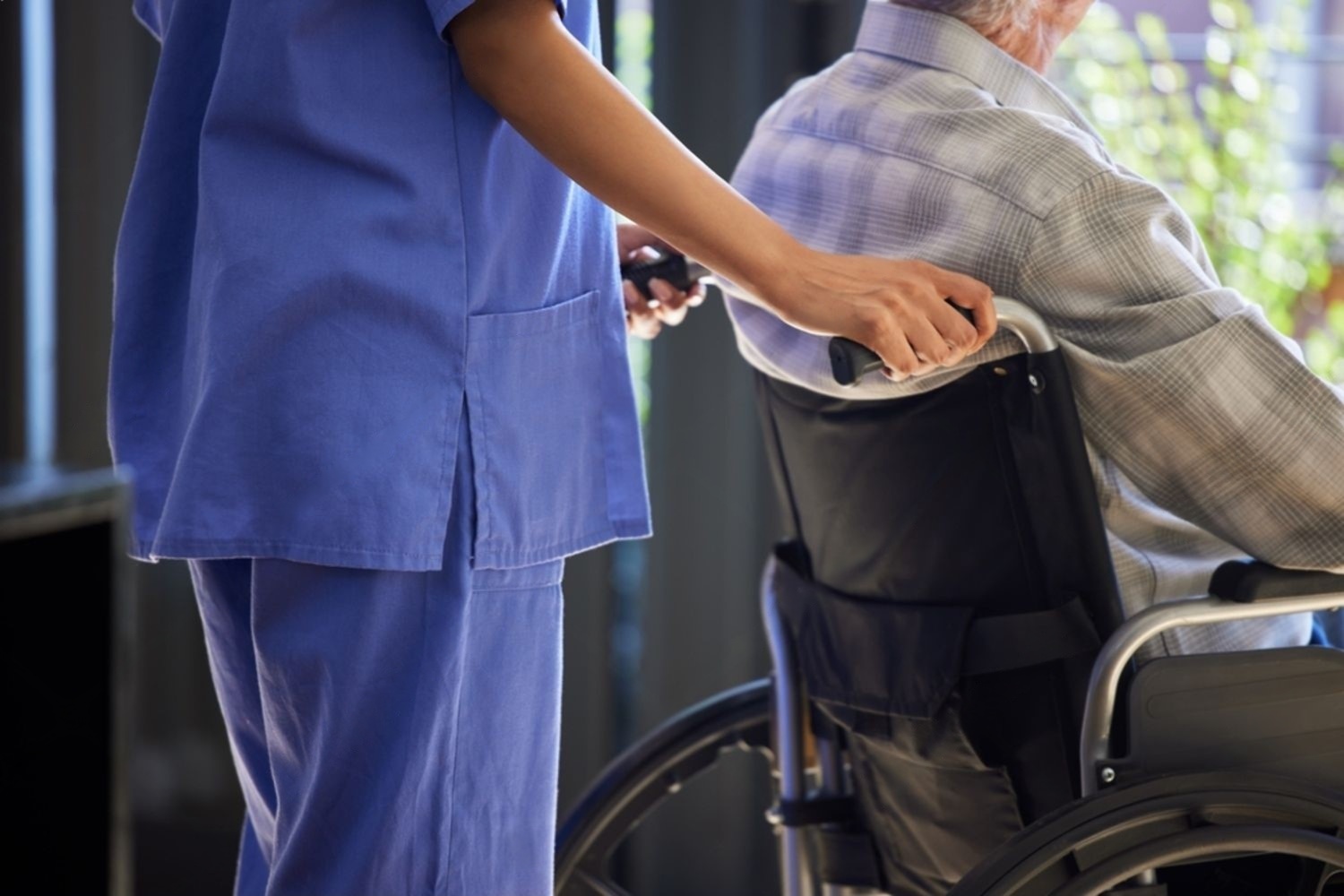
Home care is an ultimate solution for family members when it comes to providing care for their loved ones. The desire to age in place, recover after surgery and be cared for during chronic illnesses are all contributing factors to the growth of home care services. With the aging population and increasing prevalence of conditions such as mobility limitations, diabetes, recovering from strokes and dementia, there is an ever-increasing demand for qualified in-home caregivers.
At first glance, providing care and assistance with daily tasks may appear easy. Many families typically think that someone who is kind, patient, and compassionate can provide caregiving. While empathy is certainly one aspect of caregiving. Caregiving includes not just empathy but also having medical knowledge, understanding safety protocols, and having ethical responsibilities.
On the other hand, hiring an unqualified caregiver can create risks of medical errors, legal liability, emotional distress, and long-term financial burdens. What may initially seem to be a savings on a caregiver’s wages could soon be the family’s largest and most stressful liability. Let’s explore in detail!
An untrained caregiver does not simply mean someone who has no license or degree to work as a nursing professional. Additionally, he/she has not received the required training or validated skill set to provide home care safely.
Some examples of untrained caregivers may include!
While a friend, neighbour, or family member may have a caring nature. They do not necessarily meet the minimal requirements of an in-home caregiver. The absence of proper training can increase the risk of serious injuries among individuals.
If families are looking to avail 24/7 home-care service, it is important to evaluate the qualifications of in-home caregiver.
| Criteria | Trained Caregiver | Untrained Caregiver |
| Caregiver Qualifications | Holds verified certifications like CNA, HHA, CPR and meets required caregiver qualifications. | No formal certification, unclear qualifications for in-home caregiver roles. |
| Clinical Knowledge | Idea of basic medical conditions, vital signs, infection control, and chronic illness management. | Limited or no understanding of medical conditions, may overlook warning signs. |
| Medication Management | Trained in safe medication reminders, dosage tracking, and documentation. | Higher risk of medication errors, missed doses, or improper handling. |
| Emergency Response Ability | CPR and First Aid certified, knows how to respond calmly during medical emergencies. | May panic or delay response, lacks structured emergency training. |
| Safety Protocols | Skilled in fall prevention, safe transfers, and mobility assistance. | Improper lifting techniques increase injury and caregiver health risks. |
| Dementia & Specialized Care | Trained to manage dementia-related behaviors, including conditions like Alzheimer’s. | May unintentionally trigger agitation, confusion, or behavioral escalation. |
| Documentation & Compliance | Maintains daily care logs, incident reports, and follows healthcare compliance standards. | Rarely keeps proper records, increases legal and communication caregiver issues. |
| Caregiver Code of Ethics | Adheres to professional caregiver ethics, maintains boundaries and confidentiality. | May lack understanding of caregiver ethics, boundaries can become unclear. |
| Legal & Liability Protection | Often bonded, insured, and supervised. | Families may face risks of hiring a private caregiver without liability protection. |
| Professional Accountability | Supervised by an agency or governing body, participates in ongoing training. | No formal oversight, limited accountability. |
| Quality of Care | Consistent, structured, and person-centered care. | Care quality may vary depending on experience and knowledge. |
Some of the major causes of hiring untrained caregivers include!
Serious medical caregiver problems usually start off as a small mistake that ends up in a medical emergency. Here are the common health and medical risks associated with hiring a caregiver without verifying qualifications.
1. Medication Errors Caused by Untrained Caregivers
Medication administration is one of the most vulnerable areas of home care. Even small errors in administering medications could result in a life-threatening consequence.
Examples of common medication errors include:
Trained professional caregivers usually provide themselves with accurate medication records, as well as follow strict medication administration protocols. In addition, registered nurses and licensed practical nurses are trained to know how and when to administer medications, its side effects and how to complete medication administration records accurately.
Caregivers who do not have formal training will generally depend upon their memory, or the instructions given to them verbally. As a result, the risk of hiring an unlicensed, untrained private caregiver increases.
2. Failure to Recognize Medical Warning Signs
Without adequate training, caregivers are often unable to properly observe and evaluate subtle changes in an individual’s nature, leading them to miss early warning signs. Professional caregivers have been trained to recognize these signs, as follows:
Hence, a trained caregiver knows when and how to escalate concerns regarding patients to emergency services, nurses, or doctors. Depending on the knowledge of the care provider, this can be a life-saving difference.
3. Unsafe Mobility Assistance and Handling
Assisting with mobility is far more complicated than it appears. Moving someone from bed to another location or transferring a client to and from bathrooms requires proper body mechanics as well as safety training.
Risks Related to Poor Handling
Caregivers who receive no formal training generally exhibit these types of poor handling habits.
Potential Consequences:
Professionally trained caregivers are taught the best techniques to reduce stress, falls and safe usage of assistive devices. Without these skills and expertise in home caregivers, the environment quickly becomes unsafe.
In addition to health issues, there are numerous risks associated with hiring privately that many families do not think about. When you do not take the time to properly verify a private caregiver, you may have unknowingly assumed the risk of serious liability.
Privately hiring a caregiver without performing a background check creates a large risk of danger for that person.
Possible risks include:
Thus, this is one of the greatest concerns when hiring a caregiver since they have direct access to personal information and finances. Most professional caregivers are screened, and properly supervised based on a recognized caregiver code of ethics. Therefore, if these protections are not in place, families are at risk by themselves.
Liability and insurance are also significant legal problems in regards to providing proper caregiver support. If your loved one is hurt by a caregiver due to negligence, he/she may be:
Many families assume their homeowner’s insurance policy will protect them from liability and provide legal coverage for their caregiver. However, some homeowner’s insurance policies exclude coverage for caregivers hired without verifying their qualifications and confirming that they have proper liability insurance.
Laws, rules & regulations differ from state to state. Many states require some kind of certification for medicare programs such as:
Lack of caregivers skills will not only negatively affect the quality of care provided, but could also negatively affect their legal responsibilities.
The cost of hiring an untrained caregiver might tempt you into saving money initially. However, additional costs will often present themselves hiddenly in the future due to problems associated with hiring an untrained caregiver, contributing to financial stress on the family.
1. Rising Medical Expenses
Mistakes made by the untrained caregiver through errors of their actions resulting from the lack of training have the ability to cost the family a lot more money quickly than that person anticipated.
Common Medical Expenses Associated With Caregiver Mistakes:
Hence, it will result in excess cost for the family as a result of the problems created by the untrained caregiver.
2. Additional Replacement Expenses
Untrained caregivers typically do not stay with the family long-term as there is no commitment on behalf of the caregiver and no professional support system in place for them. Therefore families will experience:
Each time a caregiver is replaced requires the family to go through the interview process again, train the new caregiver and go through an extended adjustment period. Generally, families caring for chronic conditions find that their loved one’s health deteriorates due to the inconsistency of care and the overall cost of providing care increases.
3. Insurance Issues
One of the most overlooked issues with the use of untrained caregivers are the gaps in insurance.
Potential insurance issues include:
If contracts are not signed, there is no documentation kept and the ethical standards of the caregiver are not maintained. Families will have a difficult time proving they have followed insurance, when something goes wrong.
When it comes to quality health care, emotional well-being is often overlooked. Many of these under-addressed caregiver concerns present themselves as psychological and behavioral health issues for individuals receiving care.
1. Inadequate Dementia Care
Caregivers need patience, behavioral modification skills and a knowledge of the cognitive decline associated with dementia. Without appropriate training, caregivers are at risk for doing the following things unintentionally.
2. Absence of Compassion Fatigue Management
Providing care can be emotionally demanding and stressful even for those who are most experienced in doing so. However, professional caregivers who are well trained to do so have learned strategies for managing burnout and remaining professional.
What Happens If They are Not Trained?
However, untrained caregivers who lack certain qualifications are at a greater risk of becoming emotionally exhausted due to the fact that they are not capable of taking care of their emotional wellbeing adequately. Continued emotional exhaustion can lead to deterioration in both the physical care and the emotional support provided by the caregivers themselves.
Basically, the benefits of having a trained caregiver include:
Selecting a caregiver could be one of the most vital things a family can do. While care and concern are important, these traits do not take the place of training, accountability and professional standards.
The costs associated with ignoring the qualified caregivers may include serious consequences medically, legally, emotionally and financially. The hidden costs would be medication errors, failure to detect important symptoms, liability risk and issues with insurance coverage.
By hiring trained caregivers with appropriate qualifications and skills, you can expect:
Moreover, preserving your loved one’s health and dignity is not worth the risk. Selecting a caregiver with proper credentials and skills is not only a good thing to do, but it is also essential.
The risks of hiring a private caregiver without verified credentials include medication errors, missed medical warning signs, lack of liability coverage, theft, financial exploitation, and potential legal complications.
Professional caregiver skills and qualifications ensure safe transfers, proper medication management, infection control, and emergency response. Training reduces caregiver problems such as falls, injuries, and health complications.
Untrained caregivers may use improper lifting techniques, fail to recognize infection symptoms, mishandle medications, or overlook dehydration and other warning signs, all of which increase caregiver health risks for the client.

Each office is independently owned and operated and is an equal opportunity employer.
ComForCare strives to provide services accessible to everyone, please contact your local office for documents and details related to accessible Customer Service.
© 2026 ComForCare Franchise Systems, LLC.