
Get Started!

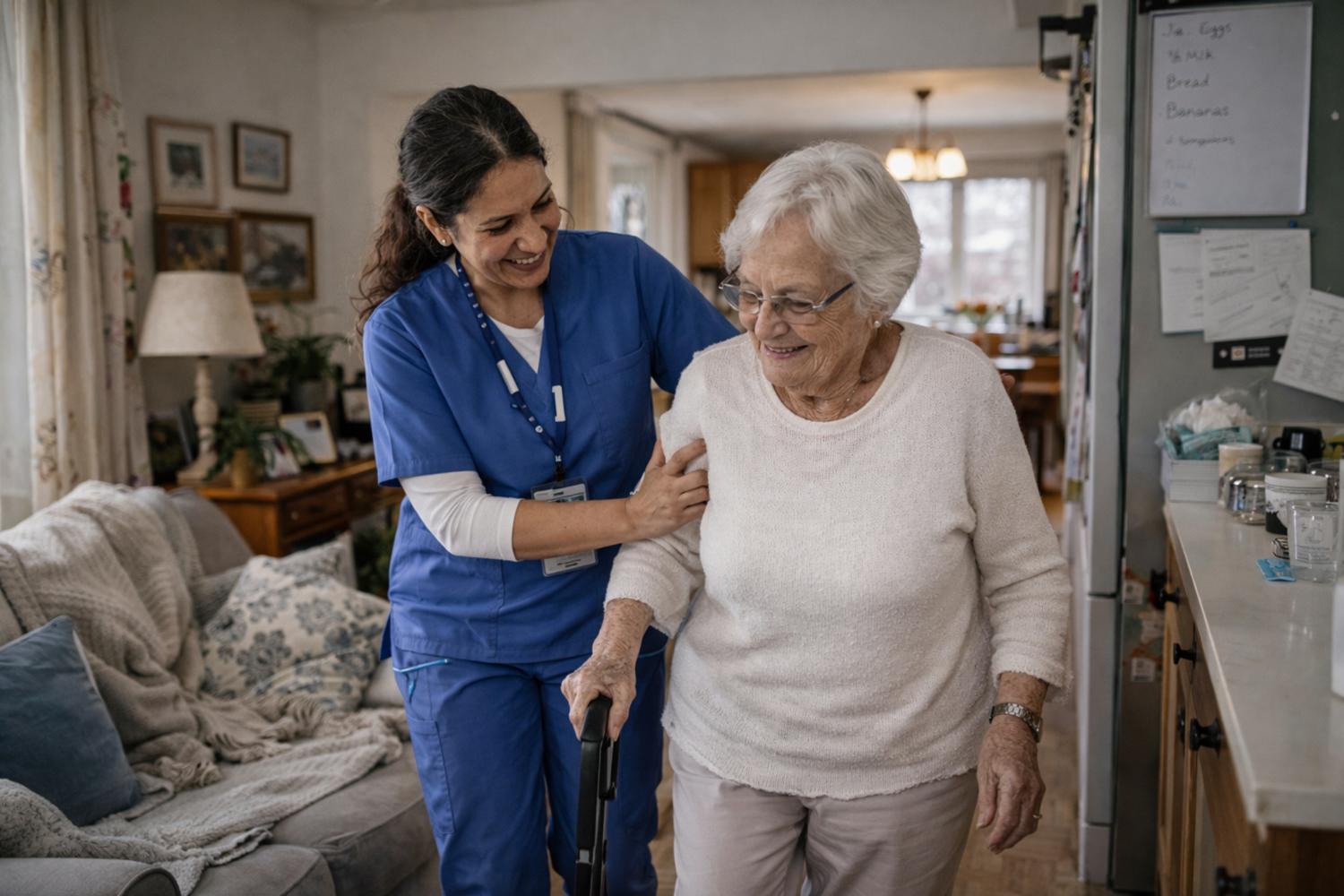
Extreme weather conditions including major wind storms, heat waves, floods, hurricanes can have an especially devastating impact on elderly populations. Many seniors have difficulty moving quickly. Many also have chronic conditions. Daily medication is often required. Some rely on others for weather alerts.
Additionally, even basic human activities can be next to impossible for many elderly individuals who may not have any assistance. An elderly person who experiences an extremely poor weather situation will have tremendous difficulty maintaining sufficient hydration, an appropriate indoor temperature, and seeking healthcare services during that extreme weather situation because the roadways will likely be impassable.
There are many elderly persons who have no support system that rely on local weather forecasts or emergency weather alerts. Developing an effective safety plan for seniors helps keep elderly individuals safe from any harm during severe and unpredictable weather situations.
Professional home care services are essential to disaster planning for seniors. Home caregivers provide reliable support to senior citizens in preparing for severe weather, responding correctly to hazardous conditions, and recovering from these events. Let’s explore in detail!
Severe weather makes it harder for seniors to react quickly. It also limits their ability to adjust to changing conditions. Identifying these risks is important. It helps improve disaster preparedness for seniors. It also ensures they receive the support they need during emergencies.
With age comes an increased sensitivity to environmental stressors such as temperature and extreme weather conditions. They are at greater risk for adverse health effects due to high heat and cold.
For many older adults, their bodies may not be able to effectively regulate during a heat wave, as they did when they were younger. Many older adults could experience heat exhaustion and heat stroke. During an extreme cold, even elderly adults who remain indoors are at risk for developing hypothermia if they are unable to adequately maintain a warm indoor environment.
Another factor that contributes to the risk of serious health conditions during extreme weather conditions is dehydration. Many seniors do not sense their thirst, which may cause them to become dehydrated during the heat of summer.
With a little effort and planning, caregivers and families can mitigate many of the risks associated with extreme weather for seniors by properly preparing for extreme weather.
Seniors with mobility limitations may have a harder time during extreme weather than they would like. It can be challenging for seniors to move quickly and safely in an unfamiliar area. For example, snowy sidewalks can cause slips and falls, and flooded streets can make it difficult for seniors to leave their homes.
A good home care plan will take this into account by having transportation arrangements, mobility aids, and an evacuation plan. Thus, caregivers will enable them to move about easily and safely during bad weather and avoid any unnecessary risks.
Many older adults depend on medical equipment and medications on a daily basis to help manage their health conditions. During severe weather events an interruption in access to these crucial items can lead to life threatening situations.
For example, power outages during bad weather would affect medical devices such as oxygen concentrators, CPAP machines, mobility assistance, etc. In addition to that, older adults may be unable to access their prescriptions or attend medical appointments due to a disruption in transportation.
In such cases, home caregivers play an important role in arranging the necessary medication supplies, monitoring the essential medical equipment, and ensuring that older adults continue to receive the necessary care during emergencies.
Many times, we don’t think about the threat to seniors who are experiencing isolation due to the weather. As there is noone nearby to assist the senior, seniors may miss critical weather information or may not be aware that the circumstances have become dangerous. For example, an elderly person would not hear the weather emergency alert or may underestimate the severity of the weather during a severe thunderstorm, heat wave or flooding.
Caregivers monitor weather alerts, stay connected with family members, and provide reassurance during stressful situations, reducing isolation risks and improving seniors’ overall well-being.
Caregivers can take several steps to protect older adults during extreme weather conditions such as storms and heat waves. The most important thing is to have a proactive plan in order to respond quickly. The plan will enable seniors and their families to take all steps necessary to prepare before the weather emergency occurs.
By developing proper emergency preparedness, seniors will be less likely to panic, will have a greater chance of responding quickly and will reduce the risk of life-threatening medical problems.
Here are some examples of how caregivers can help seniors prepare for severe weather:
An organized emergency preparedness plan is critical to ensuring that seniors have the resources and assistance necessary to deal with emergencies or disasters. Caregivers will work with the seniors they assist and their families to develop a workable and clear emergency strategy.
An important step to developing a successful plan is developing a reliable list of emergency contacts. Having a complete list allows a senior to quickly and easily access it.
The final component of an emergency preparedness plan will be developing a means for seniors to communicate with caregivers during periods of extended power outages or telephone network disruption.
A critical aspect of older adult’s emergency readiness is ensuring they have sufficient prescription medications. Caregivers prepare and keep a supply of prescription medications organized, with proper labels and easily accessible.
Store non-perishable food and sufficient drinking water to stay prepared during emergencies. This ensures that the elderly will be able to maintain healthy nutritional support for an extended period without grocery stores or delivery service.
Some additional emergency supplies are flashlights, batteries, first aid kits, and portable radios to receive weather updates. Caregivers will also ensure blankets and warm clothing are easily accessible if heating systems fail during cold winter months.
Thus, caregivers are helping seniors remain independent and safe while also improving overall safety from extreme weather conditions.
Being aware of weather-related emergencies is an important aspect of keeping your elderly loved ones safe. Each caregiver monitors weather forecasts regularly and receives official notifications of adverse weather conditions. They can even notify and even take preventative actions before the conditions become too dangerous.
Caregivers have the ability to make timely operational decisions to minimize the risk of harm to your family member due to advance notification of various forms of severe weather.
By taking these steps, families ensure their loved ones receive reliable information to make safe decisions during severe weather conditions.
Homes should be prepared for potential severe weather. It’s also important for caregivers to check the older person’s home to see if they have adequate supplies of candles, matches, flashlights, batteries and whatever else they might need for a storm.
Caregivers will need to evaluate how a storm might impact the older person’s risk of injury, so that they can develop an appropriate action plan. In general, seniors should know what actions to take during a storm or extreme weather emergency. However, they may not be able to physically perform the actions by themselves so it is essential for them to have caregivers available during storms and emergencies.
Through proper preparedness and response plans, caregivers are able to respond immediately to changes in a given situation and assist clients with appropriate safety tips that will help keep them protected during extreme weather conditions.
Caregivers provide constant supervision to maintain the health and wellness of seniors during bad weather conditions.
Caregivers monitor the client’s medical conditions and ensure they take medications according to established routines, even during weather-related disruptions.
In addition to providing physical care, caregivers can provide much-needed emotional support to older adults who may be living alone because of the anxiety that comes with experiencing severe weather. Caregivers can alleviate some of the anxiety experienced by providing comfort and companionship, and help to enhance an older adult’s ability to prepare for emergencies.
Lack of proper protection for seniors can create quick health problems due to extreme weather. Caregivers will help seniors stay hydrated by providing plenty of water during heat waves. Additionally, they will maintain comfortable temperatures for seniors indoors by adjusting fans, a.c. and heat during extreme heat.
Caregivers will help seniors move safely in their homes to prevent slips and falls in colder climates or in icy conditions. These proactive actions will significantly improve emergency preparedness for the elderly.
Power outages can take place at any time during a storm and can pose significant risks to seniors who rely on electricity to power their medical equipment or to provide safety in their homes.
Home care professionals will also ensure that seniors have the necessary operating power to continue to function for their medical equipment like oxygen machines and CPAP machines.
These actions help create effective disaster preparedness for seniors and maintain a safe environment until power is restored.
Selecting a home care provider for your loved one can be a crucial step in ensuring their safety and well-being in case of an emergency. An experienced caregiver can help minimize a senior’s risk and protect them during extreme weather events like hurricanes, floods, and blizzards.
When choosing a provider, families should look for caregivers with appropriate training and experience to respond to emergencies. A caregiver should also be available around the clock in case of an emergency.
Families who choose a trusted provider can improve seniors’ preparedness for disasters and gain peace of mind knowing their loved ones receive proper care and support during weather emergencies.
Older adults face many challenges during severe weather. A proper plan can reduce risks. Professional support also helps. Preparedness improves safety. Home caregivers provide essential support. They help keep older adults safe during storms.
Having a good storm preparedness plan, and providing personalized care can allow older adults to deal with extreme weather conditions more confidently and securely. Planning for emergencies helps prevent accidents and provides reassurance for family members who want to see their loved ones able to continue living safely, even under adverse circumstances.
Families can work closely with caregivers to prepare their loved ones for emergency weather alerts and ensure they receive the support needed to handle these situations safely.
Emergency preparedness for seniors helps ensure they stay safe during storms, heatwaves, or other extreme conditions. Proper planning allows seniors to respond quickly to an emergency weather alert and access essential supplies and support.
Caregivers support storm preparedness by creating emergency plans, preparing supply kits, monitoring weather updates, and assisting seniors in following important storm safety tips.
A senior emergency kit should include medications, non-perishable food, water, flashlights, batteries, a first aid kit, blankets, and emergency contacts. These items support effective disaster preparedness for seniors.
Caregivers monitor health conditions to improve severe weather safety. They also provide timely medication. Safe indoor temperatures are maintained. Support is given during emergencies.

Each office is independently owned and operated and is an equal opportunity employer.
ComForCare strives to provide services accessible to everyone, please contact your local office for documents and details related to accessible Customer Service.
© 2026 ComForCare Franchise Systems, LLC.