
Get Started!

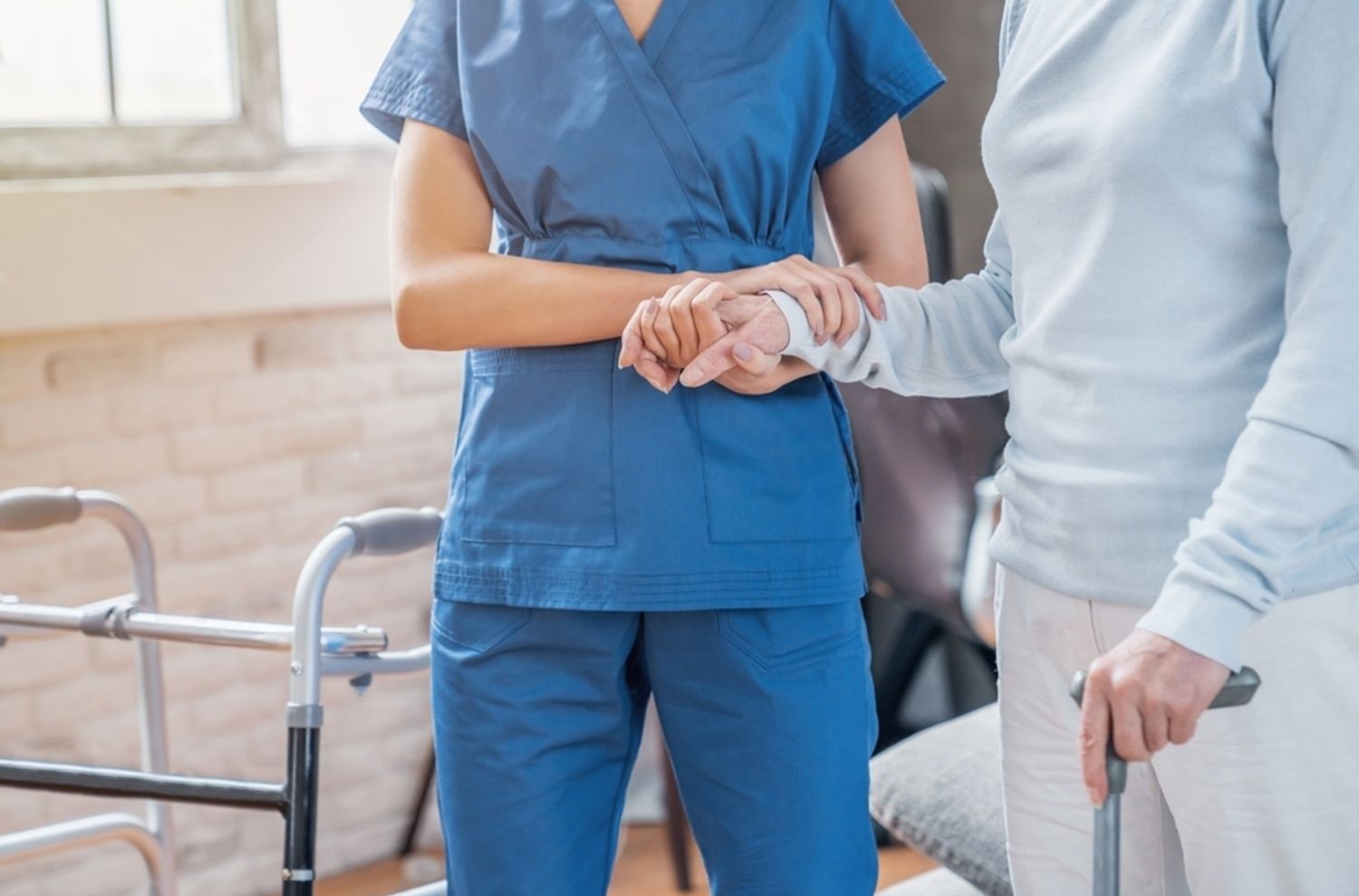
Parkinson’s disease is more than just an illness. It is a journey for older adults who are diagnosed and trying to get through the things in life. But, they are trying to stay strong, balanced, and live independently.
According to Christine Seaby in the, “Stronger with Movement: Innovative Approaches to Parkinson’s Care,” the podcast, movement based programs can have a very strong effect on helping individuals with Parkinson’s regain confidence, build strength, and maintain independence in their everyday lives.
Here, we will talk about how evidence based plans are revolutionizing the way we help people with Parkinson’s disease at their homes. Additionally, how engaging in intentional physical activity can help all of us make positive adjustments during times of transition. Let’s jump into detail!
Parkinson’s is a progressive neurological illness that impacts motion, balance, coordination, and muscular control. With the advancement of age, Parkinson’s disease is increasing in frequency. In Canada, there are approximately 111,000 individuals who have Parkinson’s, and almost 80 percent of them are 65 years or older.
Moreover, it is a reflection of the global trend of aging and highlights the growing issue for caregivers and health providers surrounding balance problems experienced by older individuals and their moving difficulties on a day-to-day basis.
A customized exercise program that is tailored specifically for individuals diagnosed with Parkinson’s has proven to assist in the slowing of the progression of their symptoms, increasing strength, boosting their confidence level and reducing the chances of falls due to loss of balance for older adults with Parkinson’s.
In the podcast, Christine Seaby mentioned that structured exercise programs like boxing-based and mobility training can help people with Parkinson’s disease build strength, be more coordinated, and be more resilient in their daily life.
For people suffering from Parkinson’s, a specialty approach to caregiving that includes four main pillars are movement, medications, nutrition, and emotional support. These pillars create a well-rounded plan for each individual based on their unique needs, desires, and patterns of daily life.
Movement and mobility will serve as the foundation for each client. Trained caregivers will incorporate prescribed exercises and mobility activities into the daily routine for every client. Basically, it includes participation in walking, stretching, and coordination activities, helping clients maintain their strength and avoid injury. Evidence-based programs are utilized to reduce the risk of falls and improve balance in older adults, which is a major concern for individuals living with Parkinson’s.
Many elderly adults suffering with Parkinson’s are limited in their ability to move because of their inability to move due to the fear of falling. When they do not move they create an environment conducive to furthering their limitations caused by their Parkinson’s.
Christine Seaby explained in the podcast that encouraging safe, guided movement helps individuals with Parkinson’s break the cycle of inactivity and rebuild their confidence in everyday activities.
Additionally, they are even provided with training for the purpose of improving balance and ability to perform physical tasks. They state that building confidence is important, when training clients how to move and achieve their goal of living independently. Clients in these programs find that purposeful movement reduces fear, fosters improved balance and creates opportunities for greater independence.
They help with activities that improve balance and stepping provide individuals suffering with Parkinson’s greater balance and stability in daily movements, such as standing, transferring from one position to another and moving about their residences.
Moreover, caregivers and family members who have loved ones with Parkinson’s that do these activities not only benefit from improved safety for their loved ones, but will also have a better experience when providing their elderly loved ones care.
Exercise is a great way to empower you. Many people think of it only as a physical activity to improve health. But strength training, walking programs, resistance exercises, and classes focused on balance can also help to develop or enhance one’s independence long after they stop exercising.
On top of that, caregivers who are also trained create a sense of purpose and enjoyment for their clients, where they feel comfortable. This will be especially helpful for clients that are older adults with varying degrees of severity in their Parkinson’s disease and who experience sudden loss of balance as their disease progresses.
By developing a well-thought-out routine, it is possible to manage those transitions so each of the clients and their caregivers feel supported and less anxious. The movement programs that take place are designed specifically for each client rather than as a general program. As a result, it will result in an enjoyable activity for both the client and their caregivers and will ultimately contribute to the well-being of individuals who have Parkinson’s disease.
Basically, the daily care of elderly people with Parkinson’s include the following!
Everyday activities such as purposeful walking, sitting and standing exercises, gentle stretching, all contribute to muscle tone, coordination, and reduced rigidity. Therefore, providing ongoing mobility improvements for older adults and ease in balancing causes of falls and supporting improved mobility.
Advancing simple balance exercises such as heel-to-toe walking will help to develop postural stability, which can prevent falls.
The experts say that consistency is more important than intensity. A series of gentle daily workouts keeps the body active and flexible, building confidence for your daily activities.
A trained caregiver or another personal assistant for seniors can help provide a more secure movement option. In addition to helping with participation, these individuals assist with the safe execution of movements, thereby reducing risk for injury and improving quality of life.
Some of the most common reasons for balance loss are as follows:
Being aware of these causes enables caregivers to plan ahead for possible problems with their clients and develop specific plans for assisting them based on their individual needs.
Family members that care for someone with Parkinson’s often have many competing demands such as medication schedules, concern for their loved one’s safety, managing emotional highs and lows.
Families can benefit from these key concepts:
Parkinson’s disease can impact your daily routine. The secret to improving Parkinson’s care at home involves purposeful movement, individualized help, and a pattern of consistent daily activities. When caregivers address mobility-related issues early in older adults, they create opportunities to improve strength instead of letting mobility decline.
As emphasized by Christine Seaby and Linda Meek in the podcast, integrating movement-based programs into home care plans can help individuals with Parkinson’s maintain independence, improve balance, and enhance overall quality of life.
Balance concerns in older adults do not merely indicate normal aging but give evidence of the need for assistance with balance. When family members are aware of the causes of balance problems in older individuals, such as muscle weakness, changes to the nervous system, or medicine side effects, they can take concrete measures to reduce risk. Structured exercise programs, balance training, and compassionate daily care at home for elderly loved ones can assist with greatly decreasing balance problems among older adults.
Hence, the assistance of a trained personal caretaker for an older adult can augment the security and consistency of each established daily step toward independence.

Each office is independently owned and operated and is an equal opportunity employer.
ComForCare strives to provide services accessible to everyone, please contact your local office for documents and details related to accessible Customer Service.
© 2026 ComForCare Franchise Systems, LLC.