
Get Started!

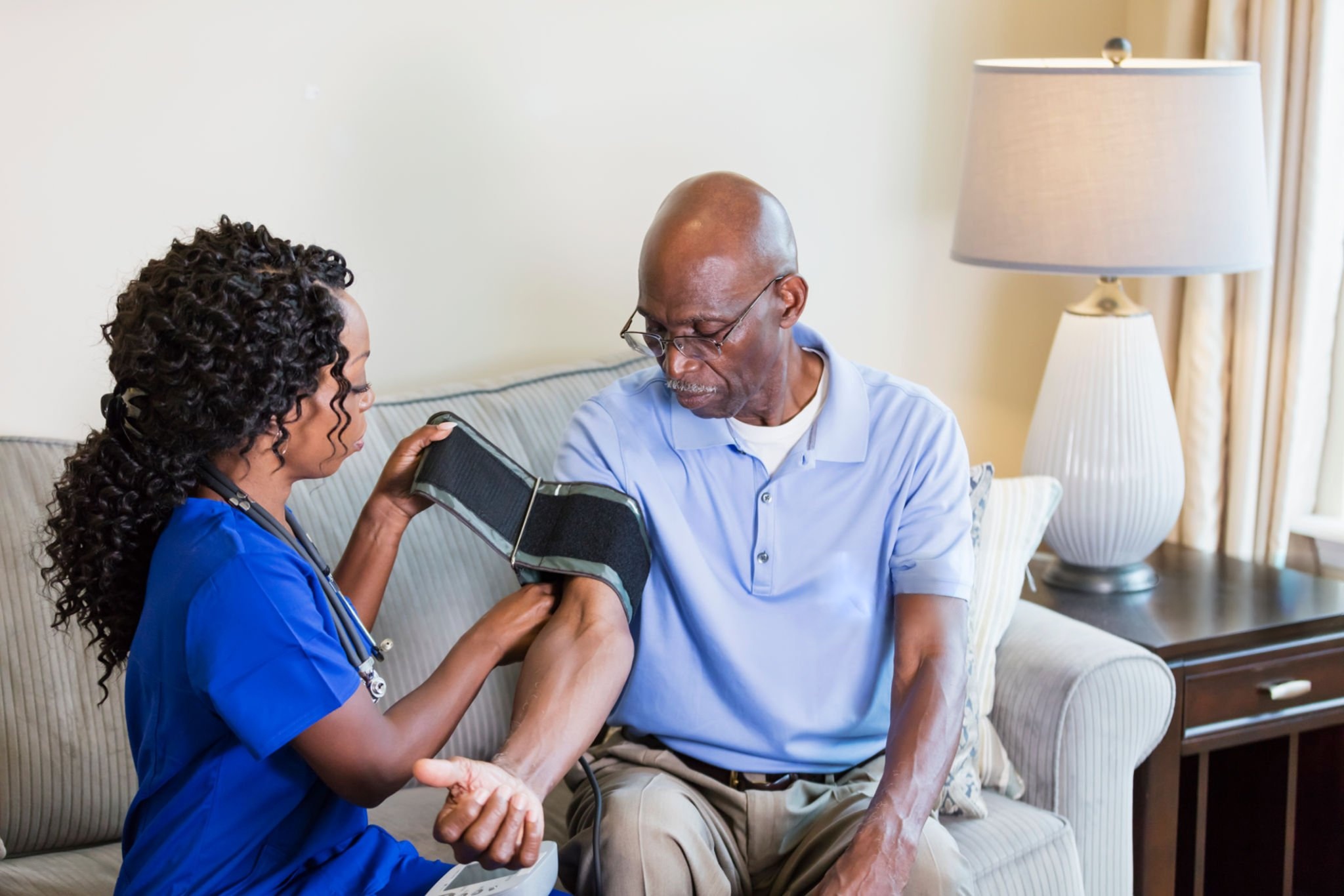
Hypertension is among the largest illnesses affecting aging adults today and will even continue for future aging generations. For people to maintain a healthy blood pressure level as they get older is much more difficult. According to health experts, hypertension is considered to be a lifestyle-related condition and the body naturally increases its blood pressure level as the body gets older.
Healthy blood pressure levels may vary between younger ones and older adults, and so may be different based upon your individual risk factors. It is common among aging adults due to the many factors related to the aging process and the changing blood pressure. However, the loss of elasticity in the blood vessels, the increased force required for the heart to pump blood, and the cumulative effect of healthy lifestyle habits have significant impact.
Additionally, hypertension has been referred to as the “silent killer”. Most people cannot experience any symptoms from having high blood pressure until significant or irreparable damage has occurred.
Home care has become an effective way for seniors to live healthier with high blood pressure by providing the independence they need for their day-to-day routines at home. It includes helping them develop and implement a plan for managing their medications, implementing dietary changes, and developing a positive lifestyle. Through such assistance and monitoring of the individual, home healthcare is instrumental in managing hypertension over the long term.
Here, this article will examine the impact of home care on the lives of seniors who have high blood pressure by promoting healthy lifestyles, and independence. Let’s have a glance at them!
Hypertension is a sustained elevation of your blood pressure. There are many contributing factors to the causes of hypertension, particularly in the elderly. Many of these factors are closely associated with the aging process and day-to-day activities that are listed below!
The aging process leads to a reduction in flexibility of arteries. When arteries become less elastic, the resistance to blood flow increases which causes blood pressure to increase. The association between the effects of age on blood vessels and the occurrence of hypertension makes the elderly more susceptible to hypertension.
One of the common factors among the elderly is a sedentary lifestyle due to mobility problems associated with aging and chronic pain. When a person is inactive their heart becomes weaker and, thus, also begins to gain weight and increase your blood pressure. Therefore, one of the safest changes an individual can make to lower their blood pressure is implementing some form of physical activity into their routine.
Diets that are very high in sodium and very low in essential nutrients can be critically damaging to older adults and their blood pressure. Additionally, diets lacking in processed foods, adequate fluid intake, and a lack of fresh fruits and vegetables can worsen high blood pressure. Therefore, nutrition is one of the most critical components of a high blood pressure healthy lifestyle.
Loneliness, anxiety and stress can cause an increase in blood pressure. When coping abilities are not readily available, anxiety and stress will continue to remain unaddressed and can lead to high blood pressure.
Health problems that occur together with hypertension such as diabetes, obesity, and coronary artery disease create additional risks for older adults with hypertension. Most patients do not observe any physical signs or symptoms of being hypertensive. Therefore, an older adult may believe they are normal although their blood pressure is high.
Home care plays an essential role in helping seniors manage their hypertension effectively and safely from the comfort of their own homes. There are medical and non-medical home health services that provide support to seniors managing their hypertension and provide customized care based on individual needs.
Non-medical home health care provides everyday support to seniors by assisting with tasks such as preparing meals, providing companionship, encouraging physical activity, and providing social and emotional support. These services encourage lifestyle changes to lower high blood pressure.
Medical home health care can include skilled nursing care, monitoring of blood pressure, and coordinating with a senior’s healthcare providers to make sure they are following their treatment plans properly.
In-home care services help provide a comfortable and familiar environment for them to manage their blood pressure. It often reduces stress and anxiety which may negatively affect many seniors’ blood pressure readings. Home care promotes routine, consistency, and accountability, all of which are factors in maintaining a healthy lifestyle and adhering to high blood pressure treatment plans.
Blood pressure medications need to be taken on a regular basis in the proper doses and at appropriate intervals. Missing a dose, accidentally taking double a dose, or discontinuing use due to side effects can place seniors’ blood pressure patterns in risk and drastically raise the chance of significant problems.
Home caregivers provide valuable assistance in maintaining safe and effective medication management for seniors. Through daily monitoring of senior patients’ medication compliance, caregivers help senior patients adhere to recommended treatment plans.
In addition to the caregiver’s assistance, effective communication is critical to successful medication management for hypertension. By communicating observations and concerns to healthcare providers, caregivers enable healthcare providers to make informed decisions regarding the adjustment of medication, thereby sustaining a healthy lifestyle.
Seniors with high blood pressure require continuous blood pressure monitoring. Blood pressure may be influenced by changes such as food, exercise, or medications. Regular tracking helps provide an assessment of overall health and determine if a prescribed treatment is working properly.
Family caregivers can assist in keeping with these recommendations by documenting the date, time and reading of their loved one’s blood pressure throughout the week. By tracking the blood pressures over multiple days and weeks, abnormal patterns can be recognized that might require medical intervention. Hence, timely identification of such abnormalities can lead to avoiding emergency situations related to seniors and frequently elevated blood pressure.
Nutrition plays an important part in controlling hypertension. Poor hydration, high sodium intake, and nutrient deficiency can increase blood pressure levels. One of the best ways for seniors to lower blood pressure is through heart-healthy diets. However, for seniors, this is difficult to do alone.
Within the home, caregivers are responsible for the daily care and nutrition support to help with healthy diets as recommended by their physician. The caregiver’s responsibilities include preparing low sodium heart-healthy foods to support cardiovascular support and promote long-term success.
Additional ways to support caregivers in providing nutritious, heart-healthy meals are:
Thus, maintaining consistent processes as part of their daily life will allow for sustainable nutrition and help keep the stress levels low.
Regular exercise will improve blood circulation, cardiovascular health, and control high blood pressure. Seniors find even moderate-intensity exercises helpful, particularly when focused on their individual needs and safety levels. Physical exercise is an essential lifestyle change in managing high blood pressure and encouraging seniors’ continued independence.
Some activities include:
Hence, assist caregivers with reminders in mobility, encourage seniors to prevent falls, and motivate them to get engaged in the routine exercise.
Managing and providing supervision allows seniors to safely perform their exercise routine, transform their exercise into healthy regular habits, and enhance their lifestyle.
Moreover, emotional challenges create an extreme level of temporary hypertension due to the accumulation of stress. Eventually, this accumulated pressure creates a long-term condition called chronic hypertension. In addition to loneliness, losing the ability to cooperate independently or worrying about personal health can aggravate stress levels in elderly.
Home health care service allows for emotional health to be enhanced through companionship and the ability to socially interact with meaningful relationships. Caregivers will create consistent daily routines for the elderly, which gives a sense of security in managing elderly health issues, along with hypertension. In addition, many elderly have experienced decreased levels of anxiety and isolation when simply consulting with a caregiver each day.
Early recognition and treatment are critical to reducing complications from hypertension in the elderly population. Home caregivers should be trained to recognize warning signs and changes in a person’s health due to hypertension, such as:
Hence, documenting these changes to healthcare providers correlates to providing timely care, and helping them coordinate their care of the patient through better communication.
Let’s have a glance at some of the top benefits of family caregivers!
Caregiving for a senior with high blood pressure can result in many people being emotionally and physically drained. By using a home healthcare service, family caregivers will receive the ability to manage medical issues with another individual on a daily basis.
By relieving the burden of managing medications, and assisting seniors in performing daily lifestyle changes will lower their blood pressure. Families will feel less tired and have peace of mind as they have access to trained professionals, receiving continued support to remain healthy.
More effective coordination will enhance decision-making by improving communication. The results from coordinating care for hypertension through coordinated services will improve the ability of caregivers to provide a healthy lifestyle for their patients. Additionally, they also assist patients in obtaining timely medical care when needed.
Providing caregivers with the ability to take care of daily needs allows families to spend quality time together rather than focusing on other tasks. Spending such quality time develops the emotional connection that is necessary for elderly caregivers to provide proper care for the elderly and maintain lower blood pressure levels.
When choosing a home care provider to assist your family member who may be suffering from high blood pressure, there are certain qualities you should be looking for.
The management of high blood pressure for older persons cannot be handled only through medication. It requires continuous attention and a compassionate form of day-to-day support. As people grow older and the body ages, the potential for the possibility of a health crisis increases due to their elevated blood pressures.
Failure to monitor and manage blood pressure on a routine basis in the elderly population may contribute to serious medical complications such as heart disease or stroke, kidney damage, suffered as the result of uncontrolled elevated blood pressure.
Through customized health care services provided by qualified caregivers, elderly individuals are helped in managing their high blood pressures through medication compliance, dietary changes, appropriate physical activity, and other beneficial lifestyle choices to maintain or lower their elevated blood pressures.
Hence, elderly individuals also benefit from the emotional support and companionship provided by their caregivers to assist in lowering stress levels which can help foster a safe and healthy environment for people with elevated blood pressure.

Each office is independently owned and operated and is an equal opportunity employer.
ComForCare strives to provide services accessible to everyone, please contact your local office for documents and details related to accessible Customer Service.
© 2026 ComForCare Franchise Systems, LLC.