
Get Started!

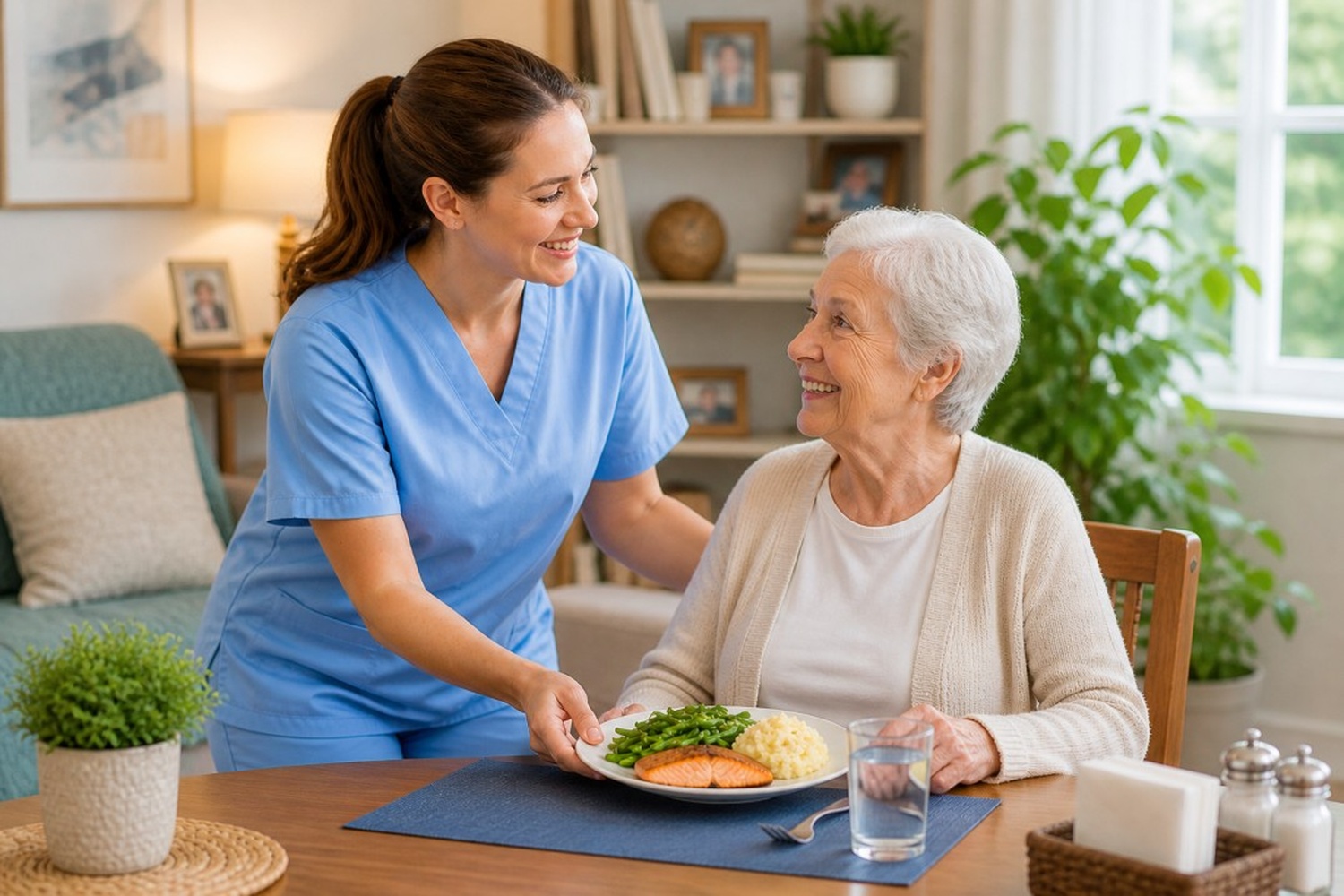
When it comes to searching for a provider to assist with senior care, two questions often arise quickly: the age and the gender of the caregiver. Families typically ask themselves these initial questions as instinctual protective measures. Many families do not recognize that they are at least two of the least helpful questions they can ask.
The senior care industry is filled with assumptions. However, a young caregiver lacks patience, while an older caregiver lacks stamina. On the other hand, women are inherently nurturing, while men are somehow out of place in a caregiving role. These beliefs are still hardwired into our thinking about caregiving for seniors, and most of those assumptions have been dispelled.
Here, this article will provide an analysis, experiences from caregivers, and discuss the differences between good and bad caregivers, based on their performance. It is crucial when considering how to best protect the dignity and comfort of an elderly person. Let’s jump in detail!
In order to determine if age or gender impacts caregiver quality, we must first understand the demographics of those providing caregiving services.
The age of caregivers can vary widely from young, enthusiastic employees who graduated from certified nursing programs to professional caregivers. Over the past couple of years, there has been a surge in younger caregivers seeking out jobs in the caregiving service due to the flexibility of their schedules and wanting to provide meaningful assistance to seniors.
Many older caregivers continue to provide caregiving due to their prior experiences either working as a medical professional or having been a family member that provided full-time caregiving for their loved ones.
According to the survey, approximately 85% to 90% of all caregivers in the United States are female. Traditionally, the expectations placed on people regarding performing certain jobs were based on gender, and that thinking continues to exist for the caregiving field. As many men became familiar with and began serving seniors through home caregiver services, they have helped to change the way many people think of caregiving, and now provide alternative perspectives on how to address care for seniors.
Caregiver age is one of the most emotional aspects that families consider in choosing a caregiver.
Young caregivers often bring physical energy to hands-on jobs. It can be beneficial to seniors as they help them with mobility, prevent falls, and recover from surgeries. In addition, younger caregivers often have the physical ability to adjust to the digital health tools. It includes medication reminder applications and telehealth platforms, which are becoming a major part of modern elder care.
Lastly, younger caregivers bring enthusiasm and vibrancy to their job and can elevate the mood of a senior who may be having a bad day. For example, if you are 25 years old, the energy and excitement you have about your job will carry over into the senior you are supporting.
On the other hand, older caregivers have a lifetime of experiences behind them that cannot be replaced. For example, a caregiver who is in their 50s and has experienced loss, health challenges, and has taken care of their own parents may exhibit an emotional connection to seniors.
Additionally, seniors who grew up during the 1940s and 50s may relate more to an older generation of caregivers based upon their shared cultural references, ethics, and morals.
The research offers no evidence to support the assumption that men and women care differently. Even though there is a widely-held societal belief that women make better caregivers than men, the research has not supported any evidence that will help clarify the level of care provided by each sex.
Men and women have different qualities in terms of empathy, emotional availability, etc. However, they both provide care in essentially the same way across most aspects of caregiving. The factors that affect their ability to deliver quality care to the elderly are influenced primarily by their experience.
Therefore, if one were to assume that all male caregivers deliver better quality of care to the elderly than all female caregivers. One should also assume that all male caregivers would deliver different quality of care than all female caregivers. Women are often viewed as being more emotionally intuitive and more nurturing when it comes time to provide care.
In conclusion, the variable in all the research is the individual caregivers, their experience and emotional intelligence levels and their commitment to the person being cared for.
There are many instances where a senior would have an entirely valid reason for preferring a same-gender caregiver, and there should never be any concern among families regarding the expression of such.
Assistance with the personal care of a senior, such as helping with bathing, dressing and toileting, can be very personal and sensitive to many seniors. Many elderly women feel more comfortable having another woman assist them with these tasks, and many men also prefer male caregivers.
The role of cultural or religious affiliation may create an absolute necessity rather than a preference for same-gender caregivers. Additionally, many seniors who have suffered from abuse or other forms of trauma may have very strong and valid feelings about the gender of people whom they allow to have close personal contact with them.
Thus, a reputable caregiver placement company will take both into account when providing care to a senior.
Though male caregivers continue to be an underrepresented group in the industry, their numbers are increasing. Many older men prefer caregiving from other males. This connection allows them to feel comfortable discussing their pain, emotional issues, or how they manage their daily lives because of the stigma of male versus female in caregiving.
Having a diverse care team will be more beneficial for seniors as there are many types of human needs that must be met. If the male caregiver is kind, competent, and dependable, he is the right person for that particular senior.
The characteristics of a great caregiver cannot be measured just by their physical capability to perform caregiving duties. Caregiving is based on the caregiver’s ability to empathize with and view the world as the elderly version of themselves. If the caregiver cannot empathize with the older individual, none of the other skills they possess will be of any value.
Obvious qualities in an excellent caregiver include patience and reliability. Elderly persons suffering cognitive decline, pervasive pain, or difficulty communicating do not have the same sense of urgency as those who live outside the world they live in.
Another extremely important characteristic that every great caregiver possesses is reliability. To be a great caregiver, you must show up to care for your elderly client consistently and from an emotional perspective as well as a physical perspective. Elderly persons who are cared for by caregivers who are always on time, fulfill their commitments, and provide continuity in their daily routines provide their elderly loved ones with something very valuable, the sense that they can always depend on their family.
It can also be a good idea to consider how family members ask about caregivers of different ages or genders. Each type of caregiver varies significantly based on their respective needs.
For example, some caregivers help seniors with their activities of daily living. Some offer light medical services such as providing medication, administering injections, assisting with household chores, and offering other limited medical services to help out those with chronic illnesses.
On the other hand, some caregivers offer companionship or engage in activities with seniors. This provides a huge benefit to seniors who may spend too much time without family members. Finally, a skilled nursing caregiver will offer medically supervised care, usually after a hospitalization, to patients. Skilled nursing caregiver’s emphasis will be to care for people who require complex medication management.
Thus, the role of each type of caregiver is uniquely suited to the needs of the elderly. Each type of caregiver has their specific education and temperament. For example, a kind hearted caregiver who can have fun with an elderly person can promote an elderly person’s overall health more than any prescribed medical treatment.
Similarly, a skilled nursing caregiver who properly administers complex medications must have absolutely accurate and precise calculations of each type of medication and therefore be extremely competent in clinical skills. Therefore, as age and gender may play a role, they will not necessarily dictate how closely the caregiver will match the senior’s specific needs.
Families can look for the following points to select the best caregiver for their loved one.
1. Determine actual needs:
Make an honest list of your loved one’s actual care needs. Include physical care, cognitive support, social companionship, medical complexity, mobility issues, and behaviour issues. This will be the basis for your decision making.
2. Assess qualifications and experience:
Look for verified certification, background checks with no issues, good professional references and documentation of experience with the relevant conditions. These factors should carry much more weight than other personal criteria.
3. Discuss comfort:
If the senior has reasons for preferring a male or female caregiver, bring them into the discussion. They are valid and should be communicated clearly to any placement agency or care coordinator.
4. Schedule a compatibility meeting:
A trial period will allow the caregiver and senior to decide if there is mutual respect for each other. That connection is what sets apart a caregiver who will be tolerated by the senior from one who will really be loved by the senior.
5. Ask for the proper interview questions:
Beyond asking about qualifications, you should also ask: What will you do if a senior is having difficulty or being resistant to your care? How will you communicate any health issues you have discovered?
It’s natural for us to have a “mind’s eye” picture of the best possible caregiver for your loved one. If, in your mind’s eye picture, you have a clear idea of what this person looks like, it is completely reasonable. However, unfortunately, when we allow our primary filters of age and gender to guide us, both can overpower the actual, and much more.
The caregiver that is going to create real change in your loved one’s life will be defined by how much warmth they bring. Additionally, how vigilant they are during a health crisis, how patient they are during the most stressful times of their life and how much they protect your loved one’s dignity, even if they were never asked to do so.
Hence, all of these qualities can be found in people of both genders and every age. This is how you will find the exceptional caregiver that your family member deserves.
The average caregiver age is typically between 45 and 55 years. However, both younger professionals and older spouses also make up a significant portion of caregivers.
Caregiver syndrome refers to physical, emotional, and mental exhaustion caused by prolonged caregiving stress. It often includes burnout, anxiety, depression, and neglect of one’s own health.
Caregiver gender may matter for personal comfort, especially during intimate care tasks, but it does not affect the overall quality of care. Skills, empathy, and professionalism are far more important.
Women are often seen as natural caregivers due to social conditioning and roles, not biology alone. Caregiving skills like empathy and patience can be developed by anyone, regardless of gender.

Each office is independently owned and operated and is an equal opportunity employer.
ComForCare strives to provide services accessible to everyone, please contact your local office for documents and details related to accessible Customer Service.
© 2026 ComForCare Franchise Systems, LLC.