
Get Started!

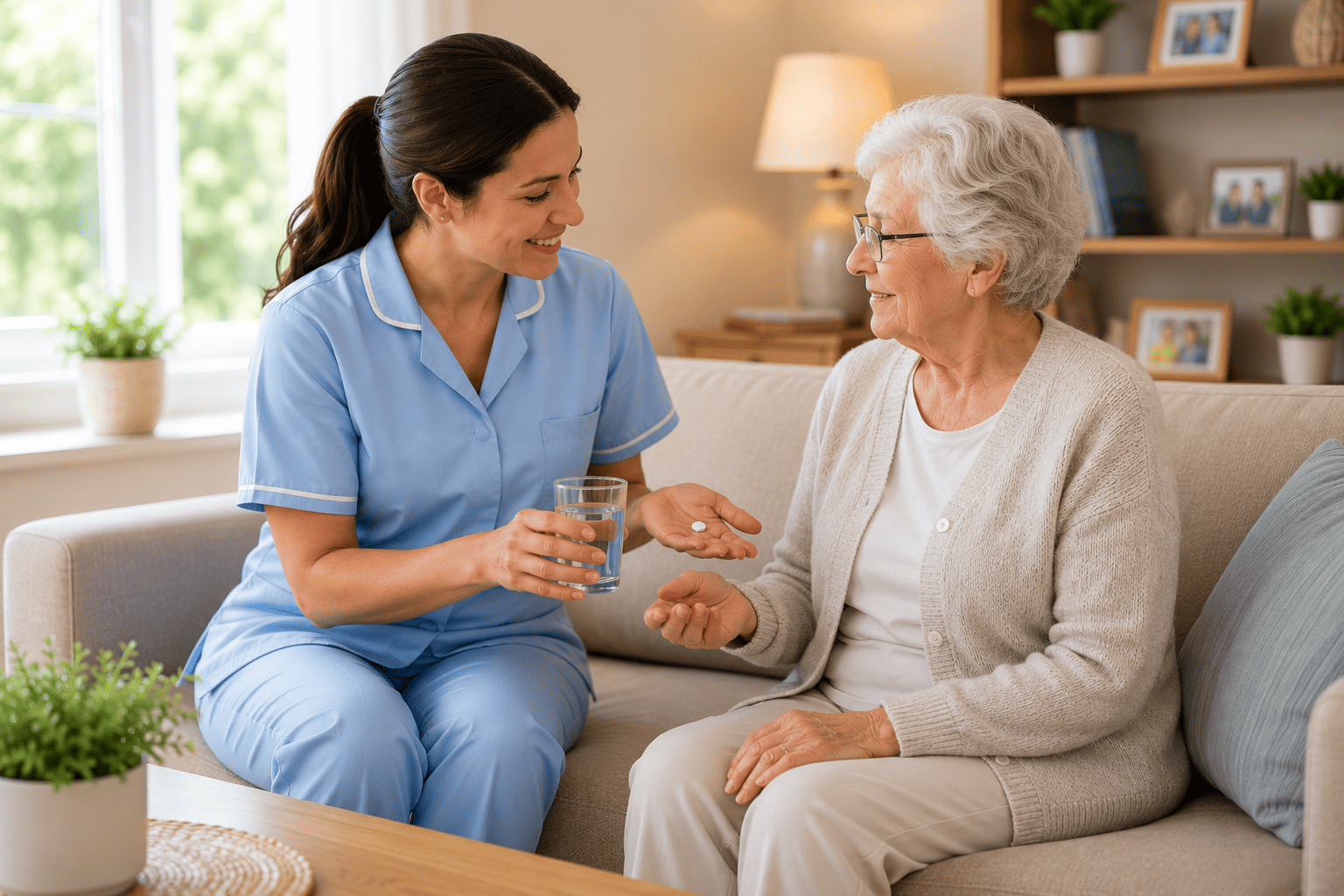
One of the most frequently asked questions families ask when exploring care options for a senior loved one is, “What does a personal care aide do daily?” Professional caregivers are familiar to many people. However, they may not be aware of all the services and support these professionals provide.
In fact, each day is a little different, as each senior has different needs, preferences, and routines. Some older persons need assistance in personal care and mobility, or companionship, cooking meals, and with other household tasks. Caregivers are a critical part of the support system for all seniors, regardless of their level of need, and can help keep them safe, comfortable, and independent in their own homes.
Families can reduce their fears about the care options they are considering by understanding the daily tasks that caregivers perform. If you’re looking into a home health aide position description, studying private home health care, or trying to determine whether it will help your family member, understanding what happens throughout the day can be beneficial.
The morning is a key time for many seniors, as it can set the tone for the day. PCA typically starts the day by assisting clients in getting up safely and comfortably. This can be any type of assistance to get out of bed, dress, groom, or with personal hygiene.
Aging often brings about problems with mobility, arthritis, and/or chronic illness in older adults, making daily activities more difficult. Having a person around who can be of help can help seniors begin their day with confidence and reduced stress.
Caregivers will help seniors with:
• Getting out of bed safely
• Bathing/personal hygiene
• Dressing and grooming
• Medication reminders
• Preparing breakfast
• Assisting with mobility
Although these tasks may seem basic, they are among the most important duties of a personal care aide. They directly contribute to a senior’s safety, comfort, and dignity.
Mornings also offer a chance for connection and companionship, apart from the physical help. There are a few times when many carers spend time speaking with their clients during breakfast, planning what they are going to do during the day or just making an emotional connection and encouraging their clients.
Caregivers will be more engaged in helping seniors to remain independent throughout the day, offering assistance when necessary. The most crucial part of a personal care assistant’s description is to motivate older people to stay involved in their everyday lives.
Some seniors like the idea of assistance with cooking, doing the washing and ironing, or doing household duties. Caregivers help with these efforts and make tasks safe and easily manageable. This helps to keep older people active in the things they want to do and gives them a sense of purpose.
Caregivers can help with light housekeeping duties, driving to appointments, grocery shopping or strolling with seniors. The activities help to promote physical and emotional health.
Professional caregivers know that independence is not all about doing tasks. It’s a matter of maintaining dignity, respect, and quality of life.
There is practical help and companionship in the afternoons. Lunch preparation, helping with medications, taking seniors to appointments, or accompanying them to social events are some of the ways caregivers can help with individual needs.
One of the most beneficial parts of having a private home health care provider is companionship. Spending a lot of time alone is common among older adults and can lead to a sense of isolation and loneliness. It can make a difference to emotional health when someone is there to talk to, share meals with, or do something with.
There are also several activities that many caregivers recommend that seniors engage in:
• Reading
• Puzzles and games
• Light exercise
• Hobbies and crafts
• Family phone calls
• Community activities
These exercises will maintain mental stimulation and engagement, connect older adults socially, and encourage wellness.
The job of the caregiver is much more than just doing things. Some of the most significant personal care aide duties include relationship-building, reassuring and supporting seniors in maintaining a full and enriching lifestyle at home.
Throughout the afternoon, caregivers help seniors maintain their daily routines, which are important for both physical and emotional health. Not all clients can follow the same schedule. However, maintaining consistency helps older adults feel comfortable and secure.
Many seniors like to take a few hours during the afternoon to engage in their hobbies, watch their favorite TV shows, read, or go outside. One of the most vital elements of a home care aide job description is encouraging older adults to participate in activities they enjoy, rather than just completing tasks.
Caregivers can also drive seniors to their medical appointments, help with errands, or accompany them to social activities and community events. These outings help to maintain independence and are also great opportunities for social interaction and engagement.
Caring for others can be as significant as caring for oneself for many seniors. A supportive companion to talk with, share a meal, or just spend time together can make a big difference in feeling emotionally better. Professional caregivers can often become trusted companions to give reassurances, encouragement, and support throughout the day.
There are a number of things that are harder to do at home as people get older. Activities that were once considered routine can become more challenging because of mobility issues, chronic health conditions, or reduced energy levels.
Many home health aide duties and responsibilities are focused on ensuring that seniors have a safe, comfortable, and clean living space. These jobs help older people stay independent and decrease physical stress and risks.
These could be tasks such as:
• Light housekeeping
• Laundry assistance
• Meal preparation
• Grocery shopping
• Organizing medications
• Changing bed linens
• Running errands
It is not a service to replace the independence of an older person. Rather, they offer assistance to help older adults live independently in their homes and continue with their favorite activities.
Physical wellness is an integral aspect of everyday care. While caregivers are not medical providers, they may assist seniors to follow their healthcare providers’ recommendations.
For instance, caregivers can remind seniors about their medication, remind them to move regularly, help them complete prescribed exercises, and support healthy eating habits. These daily routines can help improve a person’s physical health and prevent injuries or complications.
One of the most useful personal care aide duties is being aware of changes to a client’s condition. Sometimes family members don’t realize that there are small changes in appetite, mobility, mood, or energy that caregivers see. Recognizing these changes early can aid families’ ability to respond promptly when extra help is needed.
Emotional support is as important as physical help and sometimes more, in the quality of life enjoyed. Living alone or not having many social events can cause many seniors to feel lonely at times.
Professional caregivers can work to solve these problems by providing companionship and emotional support throughout the day. Routine moments of connection and shared activities can make a significant difference to mental and emotional wellbeing.
A large number of carers spend time:
• Talking with seniors about their interests and experiences
• Examining family pictures
• Playing games or doing puzzles
• Promoting hobbies and creative work
• Assisting with phone or video calls with family members
These interactions contribute to a sense of connection, being valued, and participation in the day-to-day life for seniors.
At the end of the day, it’s a time when caregivers can help seniors settle in for a pleasant, peaceful night. Routine at night is particularly significant as it helps to establish familiarity and assures the child.
Evening care can be provided in many ways, depending on individual needs. This may include help with meal preparation, personal care, medication management, and bedtime routines. Some carers also offer companionship at night when loneliness and/or anxiety may be greater.
If families are considering private home health care, they may find it comforting to understand these evening activities. Having the knowledge that a loved one is safe and comfortable and supported helps the family members to have a better peace of mind.
Every caregiver wants more than just to get things done. The real goal of care is to keep seniors independent, dignified, and living their lives in their own homes.
People think that caring is just about physical assistance, but it’s not. A caregiver’s role is so much more than cooking meals or helping with getting around. Professional care workers have to be able to offer emotional support, companionship, encouragement, and reassurance, and be flexible enough to meet the needs of each person they take care of.
That’s why many families looking into a personal care assistant job description or home health aide job description are sometimes surprised by the multitude of duties involved. Being a caregiver is a patient, caring, communicative, and flexible task that has to be done throughout the day.
Caregiving is a rewarding experience, but it takes emotional strength and flexibility. Each day has its own set of challenges and opportunities for enhancing older adults’ lives. Establishing trust and building positive relationships can be some of the most significant responsibilities of the caregiver.
The skilled carer needs to be able to provide physical care with emotional support. Some seniors require significant support in their everyday lives, while others need help only occasionally. Understanding these individual needs and adjusting services accordingly is one of the most critical elements of quality care provision.
Private home health care is available for many reasons, such as the fact that many families prefer having their loved ones cared for in their own homes with individualized attention. The time spent at home can give seniors more comfort, independence and emotional security.
Unlike institutions, home care private services can be customized to meet the individual’s particular routines, preferences and objectives. This will enable elderly individuals to live their lives normally, and only seek help when it is required.
Families like to have flexibility to tailor the services to their current needs. Some may need just support with housework and companionship at the beginning, while others may need further care with personal needs or mobility or in daily activities.
Some typical reasons families opt for private home care are:
• Helping to keep at home
• Personalized one-on-one support
• Comforting familiar environment and routines
• More choice in care arrangements
• Increased emotional comfort
• Improved safety and supervision
These benefits can lead to an improved life for people, and give family reassurance.
The relationship between caregivers and seniors is one of the most beneficial things about caregiving. Trust does not happen in an instant. Rather, it unfolds through persistent care, kindness and interactions over the course of time.
Older people are often reluctant to accept help at the beginning. As they become accustomed to the caregiver, however, they usually will come to see him or her as more than just a service provider; they will perceive him or her as a trusted companion.
These relationships can have a positive impact on emotional health, ease loneliness, and boost seniors’ confidence in their daily lives. Families can also feel reassured that their loved ones are in the care of someone they trust and feel comfortable with.
The following are ways of creating strong caregiver relationships:
• Respect and compassion
• Open communication
• Reliability and consistency
• Emotional support
• Encouragement and companionship
These traits might not be part of every home aide list of duties, but they are among the most essential elements of good care.
Families need to be aware of one of the most important outcomes—the fact that there is no universal daily schedule for caregivers. Each client will have their own individual requirements, preferences, and habits.
Some seniors need support from early in the morning until later in the day; others need support at specific times in the day. Some days may include visits to a doctor’s office, social activities, or visits to relatives, and other days may be spent in quiet companionship and at home.
This is the reason why professional care is so beneficial. Caregivers are flexible in their approach to assist the individual to manage their activities as they desire, instead of the individual changing their activities to accommodate the caregiver.
When exploring job descriptions for personal care aides, personal care aide duties, or a full home care aide job description, it is crucial to bear in mind that caregiving is ultimately about providing personalized support to help seniors live safely, comfortably, and independently.
A personal care aide’s role is not only to help you with the things that need to be done, but to do much more. They offer companionship, emotional support, encouragement, and practical help to older adults, to keep them living independently and with a good life.
Caregivers help seniors start the day off safely and comfort and reassure them at the end of the day, playing a crucial role in providing both physical and emotional care. They’re not just making checklists and schedules; they’re helping seniors feel respected, valued, and cared for with each interaction.
Families considering private home health care may find it reassuring and confidence-building to understand the day-to-day responsibilities of a caregiver. Professional care does not take the place of independence; it serves to maintain it.
The result of caring is not only to do things. It is there to allow the elderly to live meaningful, comfortable, and fulfilling lives in their home.
Assisting with personal hygiene, preparing meals, reminders about medication, companionship, light housekeeping, transportation and support with activities of daily living are some of the daily tasks that may be performed.
Some of the most critical tasks include safety, emotional support, personal care, independence, and helping seniors with their daily lives.
The job description, characteristics, and responsibilities of a home health aide include assisting with personal care, food preparation, companionship, and sometimes light housekeeping, transportation, medication reminders, and assistance with daily living activities.
Private home health care services help seniors to live their lives with independence, comfort and quality, in their own homes and in their own environment.
Yes. Professional carers support the older person as required and help to ensure that they are actively involved in their day to day life and their choices.

Each office is independently owned and operated and is an equal opportunity employer.
ComForCare strives to provide services accessible to everyone, please contact your local office for documents and details related to accessible Customer Service.
© 2026 ComForCare Franchise Systems, LLC.