
Get Started!

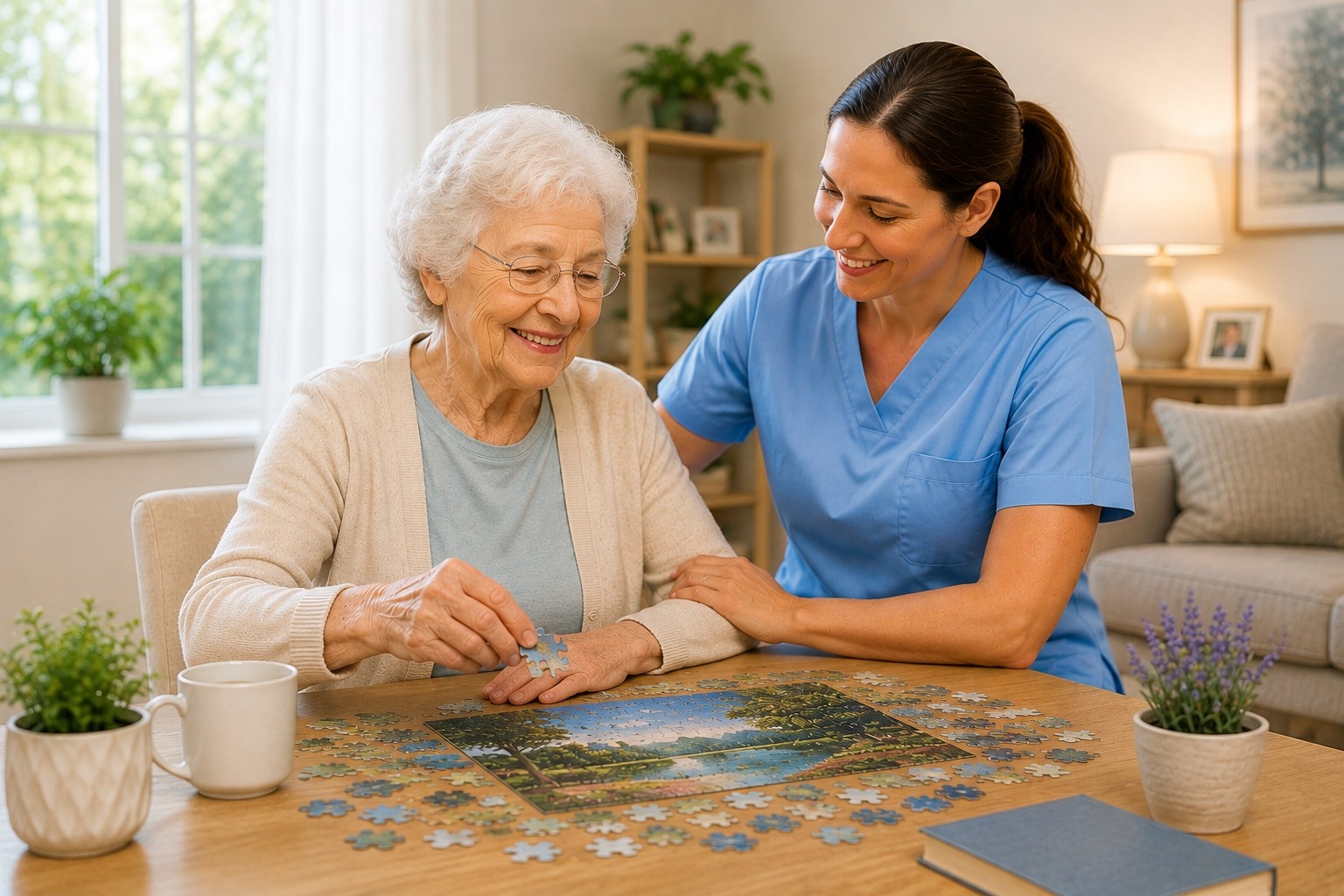
When you’re retired, you have more time to do more of the things that were put on the back burner during your career. It can be a quiet morning, a stroll through the familiar neighbourhood, a cup of coffee with a friend, or an afternoon to try something new. All of these can make the week a little more enjoyable. For older people in Sherwood Park, there are numerous opportunities to remain active, connected, and engaged in the community without it being a significant event.
It is not just about filling time with fun and enjoyment for residents of Sherwood Park when it comes to senior activities. Keeping the mind engaged, socializing with others, and engaging in regular physical activity can help seniors get out of the house, make friends, keep in touch, and enjoy activities that provide them with purpose. The most effective activities are those that are in line with the person’s interests, energy level, and comfort level.
Families and caregivers can also benefit their senior’s well-being by encouraging them to attend some of these senior activities. Not every activity requires a great effort or needs to be complicated to have meaning. In some instances, the most significant element is simply having a place to go and somebody to experience it with.
It may be easier for many people to fall into the habit of spending most of the day at home as they get older. This can be due to mobility changes, lack of transportation, retirement, or simply the fact that social networks shrink as we age. Sitting at home is a perfectly normal part of the day, but too much isolation can create a feeling of disconnection for seniors.
Engaging in regular social activities as a senior allows for interactions with others and helps maintain relationships. An activity happening every week can be something to look forward to, and a conversation with one another can lead to friendship.
Exercising can also help seniors stay healthy. A walk, a community event, a fitness class, or a local event can provide structure to the week. These little habits can help create a more meaningful life.
The secret is to discover activities that are fun instead of a duty. For an older person who does not enjoy running or jumping, they may prefer gardening, dancing with friends, walking, or attending a hobby group. It’s easier to stay involved when the activity is truly enjoyable.
A simple way to enjoy the community is to be outdoors. Sherwood Park is a place for seniors who like being outside, walking, and being around nature. Even a stroll around the local park can be a soothing experience, allowing them to move around and experience a different environment.
Getting outside doesn’t require long walks for seniors. Just a quick walk can be a breath of fresh air. If you have limited mobility or less energy, a flat path that you are familiar with, with regular breaks, can make it more comfortable.
Outdoor activities can also be social events. A senior can walk with a neighbour, family member, friend, or carer rather than walk alone. This is a fun physical activity with a touch of companionship, so the outing is not seen as exercise but rather as time spent together.
If seniors have a fondness for outdoor activities, here are a few quick ideas:
The goal isn’t to see how much can be accomplished in one day. Senior recreation should be comfortable, enjoyable, and modified to suit individual abilities.
Not all seniors have the same interests. Some want to enjoy arts and crafts, while others want to play cards, go to a fitness class, or spend an afternoon learning something new. That’s why it’s a good idea to look into diverse senior programs.
Community programs provide older adults with an opportunity to explore activities that they might not have previously known. A senior who has not participated in any group class may find themselves enjoying the company of other like-minded individuals. Those who have a favourite pastime can find a local group to take part in it with others.
Look at your loved one’s interests when selecting a program. They may be able to identify their interests from activities they have already enjoyed.
| If a senior enjoys… | They might enjoy… |
| Arts and crafts | Creative workshops/craft groups |
| Music | Concerts, music groups, or performances |
| Reading | Book clubs or library programs |
| Keeping active | Gentle fitness/walking groups |
| Gardening | Community gardening activities |
| Getting to know people | Socializing and community activities |
| Learning | Educational classes or workshops |
It can be particularly satisfying to try something new when it feels like there’s no pressure to master it. The experience is one of enjoyment, curiosity, and connection.
The social part of an activity is as important as the activity itself for many older adults. A consistent time and location for seniors to visit friends or familiar community members can help decrease feelings of loneliness and provide something positive for seniors to look forward to.
An outing, a lunch, a card game with friends and family, or a community activity once a week could be very meaningful to the life of a senior. Familiar faces can foster a greater sense of belonging over time.
This can be made easier by families helping older people identify activities that fit into their lifestyle. If transportation is an issue, it may be possible to arrange a ride or have a family member or caregiver accompany them to eliminate one of the most significant barriers to participation.
Exercise can be even more important as you get older, but it doesn’t have to mean exercising for hours at the gym or be particularly intense. For some older people, low-intensity exercise is a more pleasant and practical method of staying active.
Low-impact activities such as walking, stretching, balance exercises, and other light strength-training exercises can be included in a regular program. If elderly people have mobility issues or health concerns, they should select activities that are compatible with their physical abilities and comfort.
Participating in senior fitness activities can also include a social aspect. It’s easier to find enjoyment in exercise when you’re doing it with people around you, and it can help keep you motivated. A quick group session can become a weekly routine that a senior enjoys.
If you’re a senior who isn’t as active, it’s important to take things slowly. Sometimes a little exercise and a little rest can be more beneficial than trying to do too much too fast. The aim is to be consistent and fun, not intense.
Creative activities can be a great way to help seniors express themselves and spend time meaningfully. Relaxing and stimulating activities such as painting, drawing, knitting, photography, or other hobbies can be explored.
Creative groups can be very fun, as a favourite pastime is combined with social interaction. Seniors can chat, share ideas, and learn new techniques while working on their own projects.
People who have always had a fondness for crafts may already have some projects they wish to continue. Others can find a whole new passion through a workshop or community activity.
It’s important to pick something that is fun to do, rather than focusing on whether it will look perfect when it’s done. Creativity isn’t all about the end product.
Libraries can be a wonderful afternoon activity for seniors who like to read, learn, and spend time in a quiet place. In addition to books, libraries could provide opportunities to join discussions, educational programs, workshops, and community events.
Reading groups are especially attractive for older adults who like to have conversations about books. A regular meeting provides some excitement and an opportunity to connect with other members of the group who share similar interests.
Education doesn’t need to end at retirement age. Trying new things can make daily life interesting and fulfilling. A senior could learn more about a new topic, attend a presentation, learn new technology, or simply discover a new author.
Such activities may be part of a list of senior community activities, especially for older individuals who wish to engage in activities in a less noisy environment.
Local events can be a great way to connect people and provide an opportunity for seniors to try something new. Markets, seasonal celebrations, cultural events, performances, and other gatherings are possible events that can be included in community calendars, depending on the time of year.
It’s even more fun when you’re able to attend the event with a friend or family member. It also provides an easy opportunity to get out of the house without committing to a long-term class or program.
Find activities that can be held in smaller groups for older adults, as they may not be able to attend for a whole day. Flexibility enhances participation without fatigue or overwhelm.
Before going out, take into consideration practical issues like transportation, parking, seating, accessibility, weather, and event duration. With a bit of planning, this can be a much more comfortable outing.
Not all activities have to be new. In fact, it can be most enjoyable to continue hobbies you already know. Seniors might already have activities they have been doing for a long time that they enjoy, such as gardening, cooking, puzzles, playing music, photography, collecting, or playing cards.
Fostering these pastimes can help provide older people with a sense of identity and routine. Retirement may alter the way a person spends their days, and maintaining activities he or she enjoyed in the past can help them feel good.
Caregivers and family members are also welcome to join. Spending an afternoon together while cooking a favourite dish, gardening, finishing a puzzle together, or listening to music can make for valuable quality time.
Activities that are a good fit for the senior don’t have to cost money or be far away. It is important that the activity is enjoyable for the person and provides a purpose for them to be active.
All seniors are not alike physically, in terms of interests, or with regard to energy. An activity that is good for one person may not be good for another. Comfort and safety should always be the priority before participation.
A shorter walk might be suitable if, for some reason, walking for a long period is not possible. A small social group along with a cup of coffee or a hobby group might be better suited. Plus, when transportation is an issue, it can be easier to get to events if they are local.
There are three aspects to think about when planning activities:
| Consideration | What to Ask |
| Interest | Is the senior really interested in this activity? |
| Ability | Can they participate comfortably and safely? |
| Convenience | Can it be transported, timed, and is it accessible? |
If these three factors are combined, seniors are more likely to be engaged in the activity and stay engaged.
In some cases, an older person may wish to be more active but require some prompting to begin the process. Participation can be made easier if family members and/or caregivers arrange transportation, plan outings, or participate in activities together.
Another thing a caregiver might do is help the older person discover the different activities that Sherwood Park has to offer, depending on what they like and are able to do. When it’s time to try a new activity, it’s easier to feel comfortable if someone familiar is nearby.
The emphasis is on encouragement, not pressure. A senior’s input should be considered when deciding what they want to do.
The simplest activities are often the best senior activities. Going out for a cup of coffee, spending a little time shopping at local stores, or visiting a favourite park is an alternative to the usual routine without requiring too much exercise or energy.
Small outings may be a good way to get a senior started if he or she does not feel comfortable attending a large gathering or joining a new group. They provide an opportunity to be outdoors, meet others, and enjoy familiar surroundings at a comfortable pace.
Families can also help make these outings more meaningful by tying them in with something the senior is fond of. If they are into photography, bring a camera with you. When outdoors, look for a place with a view if they like nature. If they like chit-chatting, take a walk and have a cup of coffee or lunch with a friend.
This activity itself can take an hour, but the experience and discussion that take place during that hour can truly be worth much more.
Social connections are a key aspect of a successful retirement. Senior friendships and frequent interaction can help a senior feel a part of something, especially if employment and other activities that usually bring people together are no longer occurring.
Senior social activities provide a chance to connect with others who share similar interests and to build new habits. A weekly card game, hobby, walking, or community group can slowly become a crucial part of the week.
Small steps can make a difference for seniors who are feeling isolated. Getting together with a friend for coffee can seem less daunting than going to a big social gathering. After they are used to it, they might be ready to try more senior community activities.
It is also a good idea for family members to help by making social time a regular part of the week. Although it may not be feasible to attend community events, a shared hobby, phone call, walk, or weekly lunch can be a meaningful way to connect.
It’s great to be involved in the community, but seniors don’t have to leave home to stay involved. With a little creativity, there are lots of fun things to do at home, particularly for seniors whose mobility or energy levels are limited.
Enjoyment can be found in reading, puzzles, music, making food, gardening, crafts, board games, and watching favourite movies with family. The secret is not to make each day the same.
It’s never too late for small changes. A new recipe, a new creative project, a call to an old friend, or time outdoors can change a routine and help make the day enjoyable!
These activities can also be enjoyable for family caregivers doing them together and can make for valuable moments. They do not just add to their day-to-day routines; they spend time doing things that their loved one really enjoys.
While an outing can be fun, a regular outing can be more meaningful. If seniors are aware that on Tuesday they will walk, on Thursday they will be involved in a hobby group, and on Saturday they will meet with a friend for coffee, these events can serve as positive anchors during the week.
One way to do this is to have a simple weekly plan that looks something like this:
| Day | Activity |
| Monday | 1:10 walk to the neighbourhood |
| Tuesday | Creative hobby/craft |
| Wednesday | Coffee with a friend |
| Thursday | Senior fitness activities |
| Friday | Library visit or reading |
| Weekend | Family outing or local event |
The timetable doesn’t have to be complicated. It should be adaptable to varying levels of energy, weather, appointments, and personal preference.
For some older adults, community involvement might be desirable, yet transportation, mobility, or planning can be a challenge. These are times when support can help.
A family member or caregiver can drive the senior to a place, go out with the senior, carry the senior’s personal belongings, or simply be there with the senior while they try something new. This type of help enables seniors to stay active without having to manage all the practical aspects.
Helping with tasks around the home is not the only part of the job for families who are caregivers of seniors; encouraging them to do things that are meaningful to them can be equally valuable. A caregiver can assist with determining activities that seniors are interested in and ensure that outings are comfortable and manageable.
It is not the aim to fill all of the hours of the day. Older people require rest and quiet, too. Rather, the emphasis needs to be on achieving a balance between relaxation, activity, hobbies, and socialization.
It’s not difficult to find enjoyable activities for residents of Sherwood Park to enjoy when they are senior citizens. Walking around the neighbourhood can provide older adults with fun and connectedness in their daily lives, whether it is an activity they enjoy themselves, a community event, or a friendly cup of coffee.
The prime concern is to select activities based on the interest, skill, and comfort of the person. What is important to one older person may be of no concern to another, so providing choices gives older adults the opportunity to stay engaged in decisions about their time.
Encouraging activities for seniors is more than just keeping them occupied for families and caregivers. It’s about helping them stay connected, keep their routines, explore their interests, and keep enjoying the community around them.
The outing doesn’t always need to be fancy or eventful and can be a great experience with just a bit of planning and encouragement.
Walking, creative activities, community events, fitness, library programs, gardening, coffee outings, socializing, and other activities are all available for seniors based on their interests and capabilities.
There are ways to modify activities for seniors with varying levels of mobility, including gentle stretching, sitting activities, crafts, reading groups, music activities, gardening, puzzles, and small social gatherings.

Each office is independently owned and operated and is an equal opportunity employer.
ComForCare strives to provide services accessible to everyone, please contact your local office for documents and details related to accessible Customer Service.
© 2026 ComForCare Franchise Systems, LLC.