
Get Started!

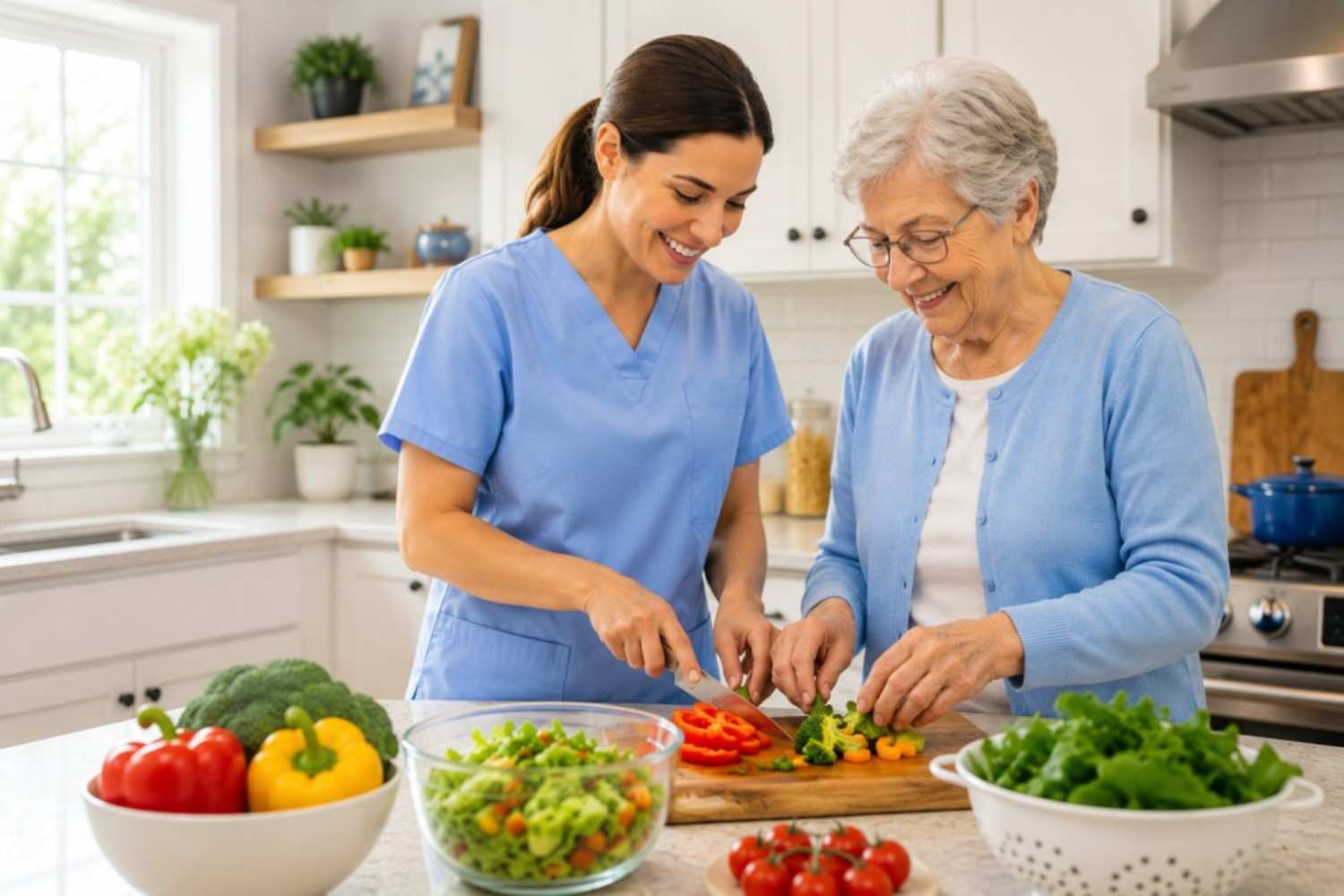
As people age, maintaining independence often becomes one of their top priorities. Many older adults prefer to remain in their own homes, where they can continue their daily routines, stay connected to their community, and enjoy the comfort of familiar surroundings. While independent living offers many benefits, it can also bring challenges that are easy to overlook. One of the most common challenges seniors face while living independently is preparing nutritious meals on a regular basis.
Planning a healthy meal, shopping for ingredients, preparing the meal, and cleaning up after the meal are all part of cooking a nutritious meal. As time passes, they can get increasingly difficult to complete as we get older. For some seniors, preparing even a simple meal can become challenging due to physical limitations, health concerns, memory changes, or a gradual loss of motivation.
When cooking starts to be a challenge, nutrition suffers.Some seniors may skip meals, rely on convenience foods, or prepare the same meals repeatedly because they are easier to manage. The practices can compromise health, decrease energy and the quality of living over time.
Understanding why meal preparation can be difficult for seniors is key to making it easier for them to stay healthy and independent in their own homes.
A senior who once enjoyed preparing family dinners may eventually start relying on frozen meals or skipping meals altogether, not because they want to, but because cooking has become more physically or mentally demanding. These changes often happen gradually, making them easy for families to miss at first.
Proper nutrition is an important component of healthy ageing. Using a balanced diet, seniors can keep their muscles strong, keep their immune systems strong, increase their energy levels, and reduce the risk of chronic diseases.
Unfortunately, seniors are not always able to get the nutrition they require because of the ageing process. People who are older tend to eat less than the younger population does, but they still require adequate protein, vitamins, minerals and fibre. As a result, every meal becomes an important opportunity to provide the body with the nutrients it needs to stay healthy and active.
Following a balanced senior diet plan can support:
It often starts with small changes. A senior who once enjoyed cooking may begin skipping meals, relying on frozen dinners, or choosing snacks instead of balanced meals. Over time, these habits can make it difficult to get the nutrients needed to stay healthy and active.
One of the biggest reasons meal preparation becomes more difficult is the physical changes that naturally occur with age.
Standing for extended periods, carrying heavy pots and pans, carrying groceries to and from storage, cutting food, reaching for shelves and moving around the kitchen are common tasks that may be required during cooking. As seniors age, it may be more difficult to perform these tasks if they have arthritis, joint pain, weakness in the muscles, or mobility issues.
Even simple tasks like opening a jar or chopping vegetables can become frustrating, uncomfortable, or painful. Cooking can be exhausting for seniors who experience a loss of strength and balance.
Many older adults begin choosing foods that require little preparation or effort. These options may be easier to use, but are not necessarily healthy choices and can interfere with a healthy meal plan.
Before a meal can be prepared, groceries need to be purchased and brought home.
Grocery shopping can become a significant challenge for older adults who live alone. Driving to the grocery store may no longer feel as safe or comfortable as it once did. Carrying heavy bags can be taxing on their bodies, too.
Common obstacles include:
Shopping may be difficult, and seniors may start to purchase less fresh food and more shelf-stable or processed foods, making it even harder to eat well at home.
Memory problems and loss of concentration can also make cooking difficult.
Even mild memory or concentration issues can make everyday cooking tasks more challenging. Seniors may forget ingredients, lose track of cooking times, skip meals, or struggle to follow recipes they once knew well.
Common problems include:
Cooking can become increasingly difficult for seniors with dementia and Alzheimer’s, and can be dangerous. These changes can be observed by family members when they spot the over-dated foods in the refrigerator, the empty shelves or decreased quality and diversity of food.
Many seniors who once enjoyed cooking for their families find that preparing meals feels less rewarding when they are cooking only for themselves. It is not always fun to cook for one, and cooking a whole meal for yourself may seem like a lot of hard work.
This lack of motivation might lead to:
Being socially isolated may make these habits even worse. Research has repeatedly found that individuals tend to enjoy their food more and eat healthier when they’re around others. When every meal is eaten alone, cooking can start to feel more like a chore than something to look forward to.
As people get older, their appetites and taste for food can change.
Many older adults notice that food no longer tastes the way it used to, which can make eating less enjoyable. Some medicines, health problems and changes as a person gets older may impact taste and scent, making food less appealing.
However, as people get older, their appetite tends to decrease. This situation can cause seniors to eat fewer meals or to eat less at a meal.
When food no longer feels enjoyable, the effort required to prepare a healthy meal may not seem worthwhile.
Chronic health conditions can make meal preparation significantly more demanding and time-consuming.
Several seniors may have to deal with restrictions on certain foods, such as:
Chronic pain, fatigue and restricted movement can also make cooking a difficult task. It may be that seniors who have various health issues just don’t have the stamina to cook healthy meals on a regular basis.
Another important factor is safety concerns, which impact meal preparation.
Tasks that once felt routine in the kitchen can gradually become more difficult with age, turning meal preparation into a more time-consuming and demanding part of the day
Common risks include:
As people age, they may become more and more concerned about these dangers and stop cooking at all. This can decrease the likelihood of injury, but can also lead to unhealthy eating patterns and nutritional deficiencies.
Many older adults live on fixed incomes and need to carefully manage their monthly expenses.
It is still a challenge during the rising food prices to buy fresh fruits, vegetables, lean protein and other healthy food items.
Consequently, some seniors may choose the less expensive rather than the more nutritious foods. Although processed and packaged foods might seem less expensive, they can be higher in sodium, sugar, and unhealthy fats.
Over time, financial constraints may make it harder to keep a healthy diet for seniors.
When an older person shows signs that they are struggling to prepare food, family members should be aware.
Some common warning signs include:
Being able to identify these symptoms early can help families prevent nutritional issues from affecting their seniors’ health.
There are numerous strategies available to support seniors in eating healthy food and staying independent.
Having a meal plan can decrease daily stress and make it easier to make decisions.
Many people start meal planning for their older parents that lists their favourite meals for breakfast, lunch, dinner and snacks.
Having a plan in place can encourage healthier food choices and reduce the likelihood of skipped meals.
Batch cooking is a technique for seniors to cook several meals in one sitting and freeze them for later eating. In that way, there’s less cooking needed each day, and healthy meals are always ready.
Meals do not need to be complicated to be healthy.
Some of the easiest meal suggestions for the elderly are:
Less complicated meals are less likely to be heavy on the preparation and more likely to be repeatable.
Modern appliances can be used to cook without injury.
These items could be helpful tools:
These tools can reduce physical strain and make meal preparation more manageable.
Taking care of a loved one’s nutrition doesn’t always mean major lifestyle changes.
Parents/caregivers can support by:
Small acts of support can go a long way in helping seniors maintain healthy eating habits and remain independent.
Sometimes, having an extra helping hand can make everyday routines feel much more manageable. For a lot of families, professional home health care is a much-needed support system, which enables their senior members to live independently and get the right nutrition.
Caregivers can help them with:
This kind of support enables senior citizens to keep a healthy diet for their seniors and alleviate stress for family members.
Professional support can be particularly helpful for older adults who have mobility issues, cognitive impairments, or underlying health conditions.
When it comes to preparing your meals, it’s not just about cooking. It directly affects a senior’s health, safety, independence, and overall quality of life. For seniors living alone, a combination of physical changes, health concerns, and social isolation can make meal preparation more difficult than many people realise.
If left unaddressed, these problems can contribute to an unhealthy diet and to a reduced quality of life.
The good news is that there are many ways to make meal preparation easier and less stressful. There are several ways in which families can support their seniors’ nutrition, ranging from setting up healthy meal plans to making mealtimes easier to prepare. With the right support, families can help ensure their loved ones continue to enjoy nutritious meals and maintain their independence..
At ComForCare Edmonton, we are committed to helping seniors maintain their independence while continuing to enjoy nutritious meals and a better quality of life at home. .
Yes, there are many people who are 80 years old who live alone in their homes safely. Depending on their health and mobility, however, they may need assistance with tasks like meal preparation, transportation, housework or personal care.
Older adults have the following main physical needs: nutrition, fluid, mobility, exercise, sleep, medication and personal hygiene. Addressing these needs contributes to healthy aging and maintaining independence.
People may feel isolated due to retirement, the death of a spouse or friends, decreased mobility, transportation difficulties, illness, or not having as much social interaction as they once did.
Reading, gardening, puzzles, crafts, light exercise, joining virtual social groups, listening to music or trying new hobbies are ways to keep seniors engaged.
A great senior diet plan consists of lean proteins, fruits, vegetables, whole grains, healthy fats and proper hydration, along with any special medical or dietary requirements.
Vegetable soups, grilled chicken, oatmeal with fruit, yoghurt parfaits, smoothies, egg dishes, and whole-grain sandwiches are all easy meal options.
Families can help by planning weekly menus, doing grocery shopping, cooking ahead, arranging for meals to be delivered, and ensuring food is available that is healthy.
Families need to seek professional assistance when a senior starts to neglect eating and drinking, to lose weight, to have difficulties shopping for groceries, to be concerned about kitchen safety, or when they cannot manage a healthy lifestyle on their own.

Each office is independently owned and operated and is an equal opportunity employer.
ComForCare strives to provide services accessible to everyone, please contact your local office for documents and details related to accessible Customer Service.
© 2026 ComForCare Franchise Systems, LLC.