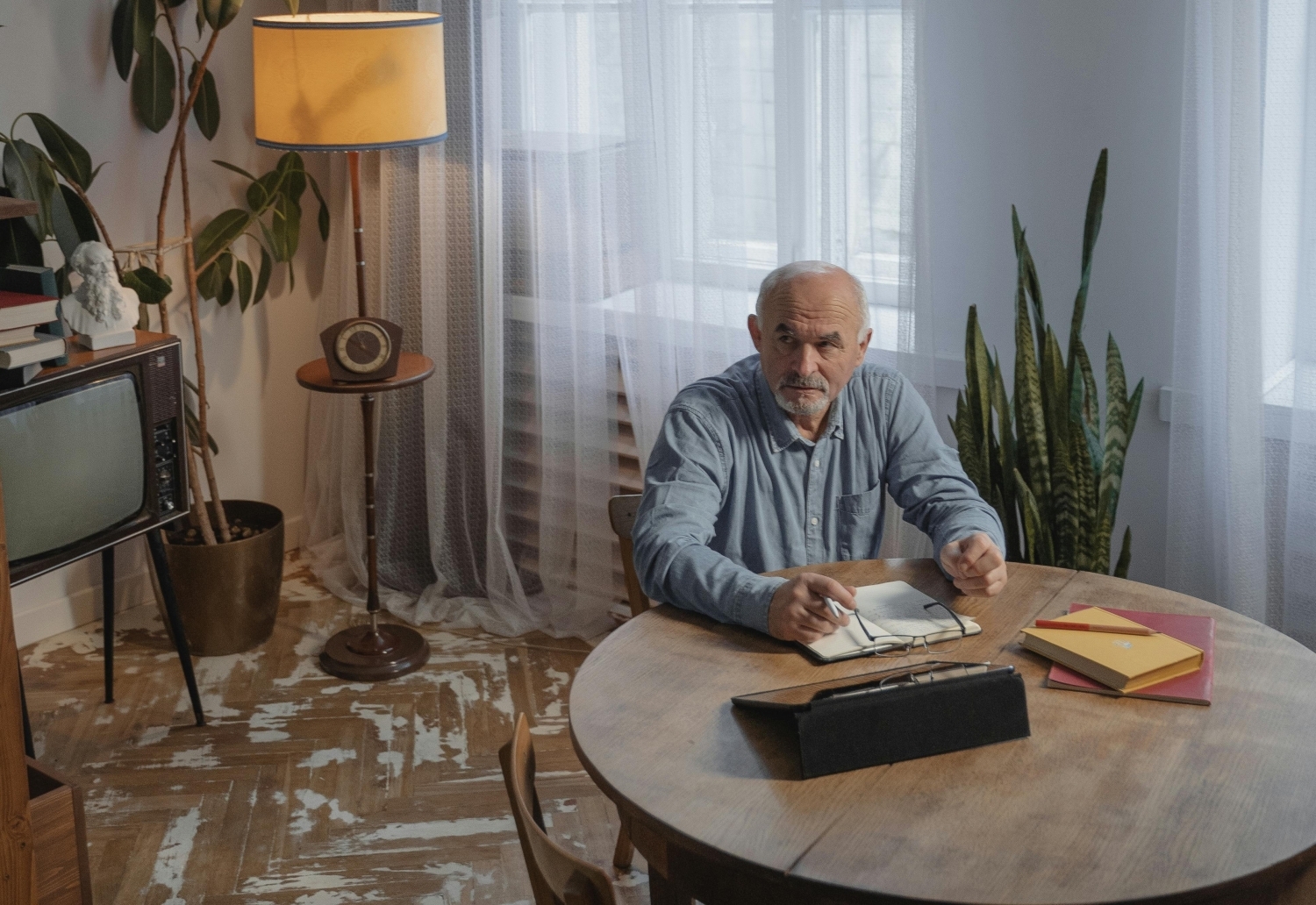
For many adult children, leaving an aging parent’s home after a visit comes with a lingering sense of worry. Did Dad seem unsteady on the stairs? Is Mom remembering to turn off the stove?
According to the Public Health Agency of Canada, falls are the leading cause of injury-related hospitalizations among Canadian seniors. However, the vast majority of seniors want to “age in place” in the comfort of their own homes.
To bridge the gap between independence and safety, we have compiled a comprehensive home safety checklist. This guide moves beyond just physical modifications; it addresses the unique challenges of Canadian seasons and the often-overlooked aspect of emotional security for those with memory concerns.
Use this room-by-room guide to assess your loved one’s home.
1. Exterior & Entryways: Winter-Proofing and Access
For Canadian seniors, the front door is often the first line of defence against falls, especially during our long winters.
- [ ] Ice & Snow Management: Ensure there is a plan in place for immediate snow removal and salting of walkways. If your loved one cannot do this, hire a service or ask a neighbour.
- [ ] Handrails: Check that handrails on front steps are sturdy (wobbly rails are a major hazard) and extend past the bottom step.
- [ ] Lighting: Winter days are short. Ensure outdoor lights are bright, working, and preferably on motion sensors or timers so your loved one never comes home to a dark house.
- [ ] The Threshold: Remove raised threshold strips in doorways that can catch a toe or walker wheel.
2. General Living Areas: Preventing Slips and Trips
Falls inside the home often happen during routine movements—walking to the kitchen or answering the phone.
- [ ] Remove Throw Rugs: Small mats and area rugs are one of the top tripping hazards. Remove them entirely or secure them firmly with double-sided carpet tape.
- [ ] Clear Walking Paths: Arrange furniture to create wide, clear avenues. If you notice your loved one “furniture surfing” (holding onto sofas and tables for balance as they walk), it is time for a professional mobility assessment.
- [ ] Cord Control: Ensure lamp and television cords are tucked behind furniture, not running across walkways.
- [ ] Lighting: Install bright LED bulbs. Consider motion-sensor night lights in hallways to guide trips to the bathroom after dark.
- [ ] Footwear: Encourage wearing non-slip shoes or grippy socks inside. Wool socks on hardwood floors are a recipe for a slip.
3. The Bathroom: High-Risk Reduction
The combination of water and hard surfaces makes the bathroom the most dangerous room in the house.
- [ ] Install Grab Bars: Do not rely on towel racks, which can rip out of the wall under weight. Install professionally anchored grab bars near the toilet and inside the shower/tub.
- [ ] Raised Toilet Seats: These reduce the distance a senior needs to squat, making standing up easier and safer.
- [ ] Non-Slip Surfaces: Place non-slip strips or rubber mats inside the tub and a non-skid bath mat immediately outside it.
- [ ] Water Temperature: Check the hot water tank setting to prevent scalds (120°F / 49°C is generally recommended).
4. The Kitchen: Accessibility and Fire Safety
The kitchen is the heart of the home, but it requires specific adjustments for aging eyes and hands.
- [ ] Accessible Storage: Move heavy or frequently used items (plates, heavy pots) to waist-level shelves. This prevents the need for dangerous step stools or bending over, which can cause dizziness.
- [ ] Appliance Safety: Check that stove knobs have clear “on/off” indicators. For those with memory loss, consider installing auto-shutoff devices or sensors.
- [ ] Expiry Dates: Regularly check the fridge and pantry for expired food, which can be a health risk for seniors with diminished smell or taste.
5. Medication & Emergency Preparedness
Safety isn’t just about furniture; it’s about being ready for the unexpected.
- [ ] Smoke & CO Detectors: Test alarms monthly and change batteries annually. Ensure there is a detector on every floor.
- [ ] Medication Organization: Use blister packs (available at most Canadian pharmacies) or pill organizers to prevent missed or doubled doses.
- [ ] Emergency Numbers: Post a list of emergency contacts (911, Poison Control, Family Doctor, Closest Neighbour) in large print near the phone and on the fridge.
6. Emotional Security: Creating a “Safe” Feeling
Physical safety is critical, but emotional safety is what allows a senior to relax. If your loved one is living with dementia or cognitive decline, how they feel in their environment is paramount.
- [ ] Check Your Tone: Seniors with cognitive impairment are highly sensitive to body language and tone of voice. Speak calmly, slowly, and with a “smiling” voice.
- [ ] Slow Down: Rushing causes anxiety and increases fall risk. Leave your own stress at the door and try to be fully present during visits.
- [ ] Maintain Routine: Predictability creates a sense of safety. Try to keep meals, bathing, and bedtimes consistent.
- [ ] Validation: If they are worried about something that isn’t real (a hallucination or confusion), don’t argue. Validate their feelings: “I can see you are scared, but you are safe here with me.”
Is Aging in Place Becoming Too Difficult?
Modifying the home is the first step, but sometimes a physical environment isn’t enough to ensure safety. If you find yourself constantly worrying about a parent’s safety despite these changes, it might be time for extra support.
ComForCare provides in-home care services that range from safety supervision and fall prevention to companionship and dementia care. We can help assess the home and provide the hands-on support your loved one needs to stay where they are happiest—at home.
Find a Location Near You | Contact Us for a Safety Assessment